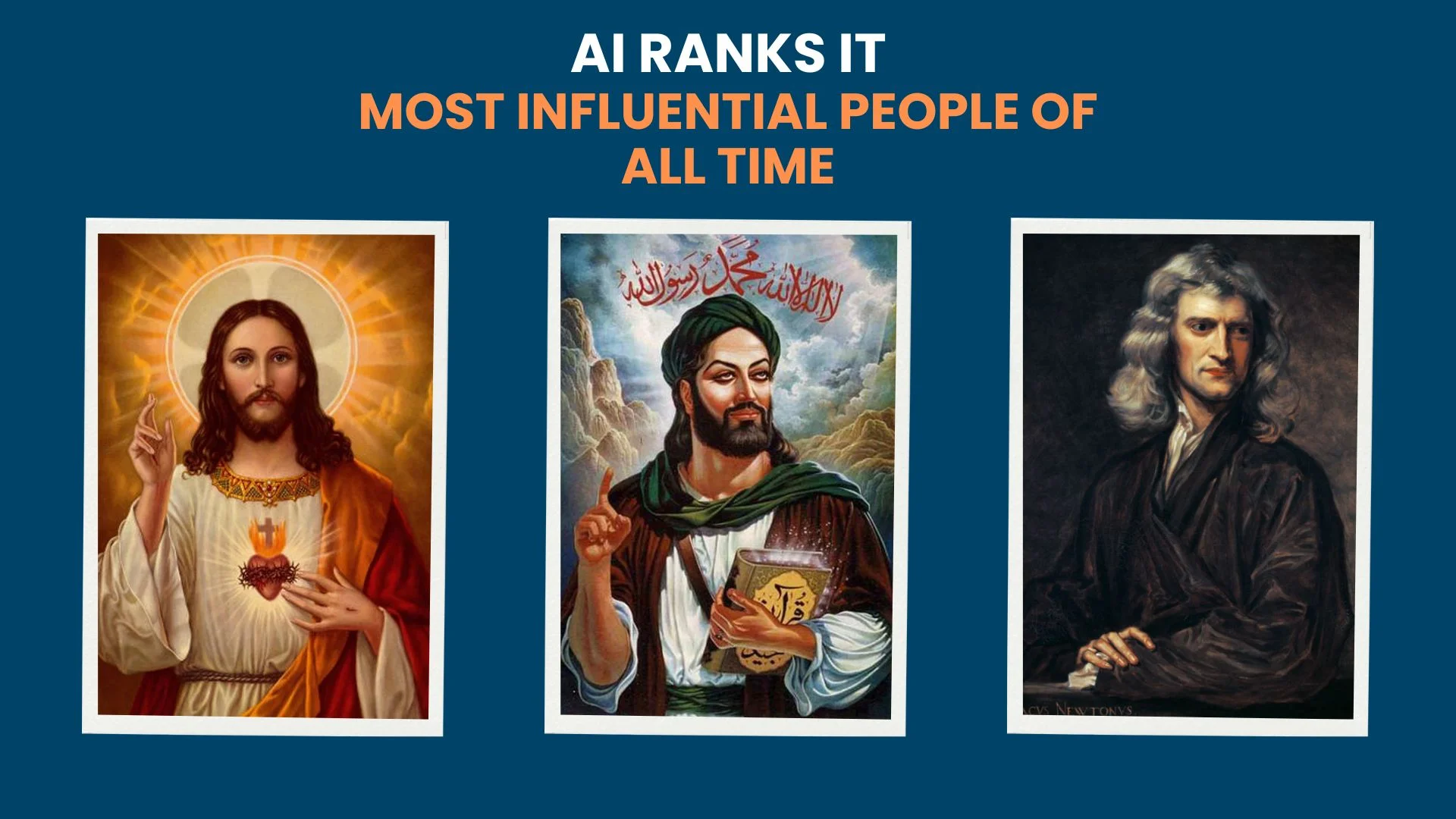
What if an AI could analyze thousands of years of human civilization and determine the most influential people of all time — the ones who truly shaped how we think, live, and connect today?
That’s exactly what I asked ChatGPT to do.
The outcome wasn’t just fascinating — it was humbling. The AI ranked spiritual teachers beside scientists, conquerors beside philosophers — proving that influence comes in many forms.
In this post, I’ll take you through ChatGPT’s definitive list of the greatest people who changed the world. From those who founded entire belief systems to innovators who redefined modern science, these key figures who shaped human history continue to guide our world today.
What Makes Someone ‘Influential’?
Influence isn’t about fame or fortune. It’s about lasting change — ideas that ripple through centuries.
When I reviewed ChatGPT’s ranking, I found that true influence often rests on three key pillars:
- Enduring impact: Their work or philosophy continues to affect billions.
- Cross-cultural reach: Their ideas transcend geography, politics, and religion.
- Legacy of transformation: They permanently altered how humanity thinks or lives.
In short, this isn’t a popularity contest — it’s an influential people in history list rooted in enduring legacy.
How ChatGPT Built the List
To ensure accuracy and objectivity, ChatGPT’s ranking combined historical significance, global impact, and multidisciplinary influence.
I then cross-referenced its selections with respected sources like TIME’s 100 Most Influential People, History.com, and Encyclopedia Britannica.
After filtering and refining the data, here’s what emerged — a timeless list of the most influential people of all time, according to ChatGPT.
ChatGPT’s Top 10 Most Influential People of All Time
1. Jesus Christ — The Spiritual Figure Who Transformed Faith and Morality

Era & Background: Born c. 4 BC in Bethlehem, Jesus of Nazareth preached compassion, forgiveness, and divine love.
Impact: His teachings became the foundation of Christianity, the world’s largest religion. The principles of mercy, equality, and hope influenced Western moral and legal systems.
Legacy: Over two millennia later, his message continues to inspire billions, shaping cultures, art, politics, and ethics worldwide.
2. Muhammad — The Prophet Who United the Nations Under One Faith
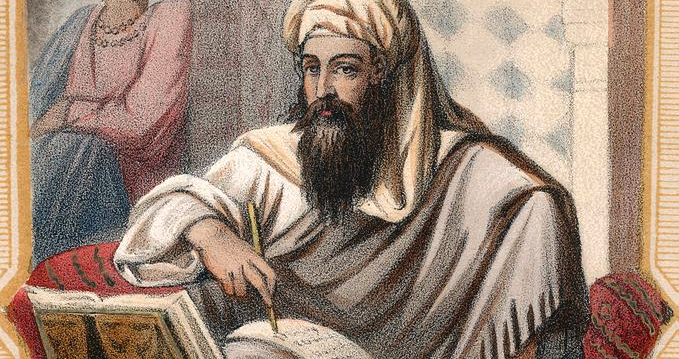
Era & Background: Born in Mecca around 570 AD, Muhammad founded Islam after receiving divine revelations, later compiled into the Qur’an.
Impact: He unified the Arabian Peninsula and established social, political, and spiritual frameworks that endure across continents.
Legacy: With over 1.9 billion followers today, Islam remains one of humanity’s most powerful religious and cultural forces — cementing Muhammad’s role as one of the greatest people who changed the world.
3. Isaac Newton — The Mind That Defined Modern Science
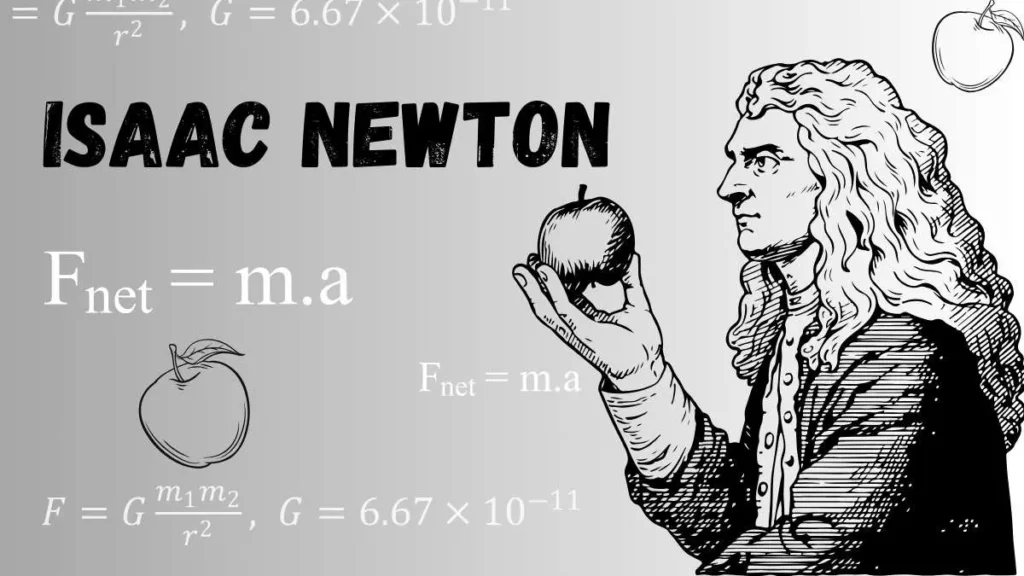
Era & Background: The 17th-century English mathematician, physicist, and astronomer who formulated the laws of motion and gravity.
Impact: Newton’s Principia Mathematica laid the groundwork for classical mechanics, forever changing how we understand the universe.
Legacy: His influence extends beyond science — shaping technology, philosophy, and even Enlightenment thinking.
4. Albert Einstein — The Genius Who Reimagined Space and Time
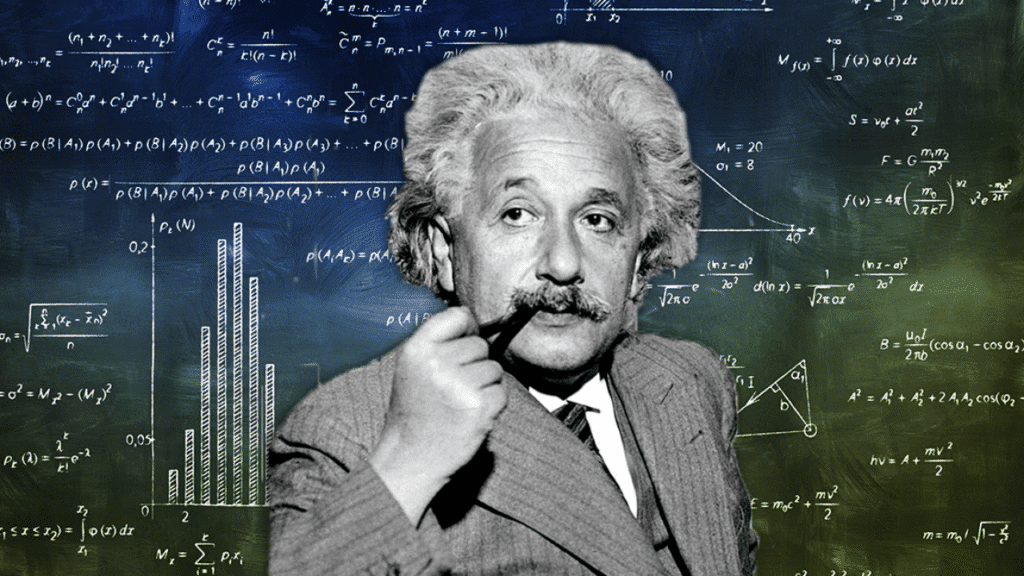
Era & Background: Born in 1879, Einstein revolutionized physics with his theories of relativity.
Impact: His work reshaped everything from cosmology to quantum mechanics, leading directly to innovations like GPS and nuclear energy.
Legacy: Beyond science, Einstein symbolized intellectual curiosity and humanitarian values — a beacon of reason during turbulent times.
5. Gautama Buddha — The Enlightened Teacher of Inner Peace

Era & Background: Siddhartha Gautama, born around 563 BC in Lumbini (present-day Nepal), renounced royal life to seek spiritual truth.
Impact: His teachings on mindfulness, compassion, and the Four Noble Truths became the heart of Buddhism.
Legacy: With over 500 million followers today, Buddha’s philosophy continues to influence psychology, meditation, and modern self-awareness culture.
6. Aristotle — The Philosopher Who Shaped Western Thought
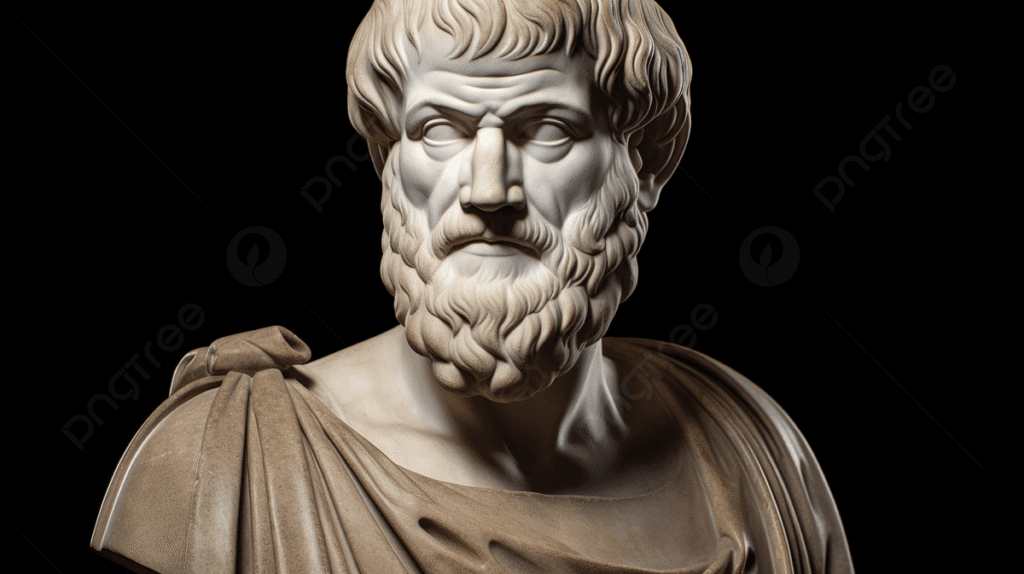
Era & Background: Born in 384 BC, Aristotle was a Greek philosopher and student of Plato who tutored Alexander the Great.
Impact: His writings on ethics, logic, and biology formed the foundation of Western education and scientific inquiry.
Legacy: From logic to politics, Aristotle’s intellectual framework defined scholarly thinking for nearly two millennia — making him a core key figure who shaped human history.
7. Alexander the Great — The Conqueror Who Connected Civilizations
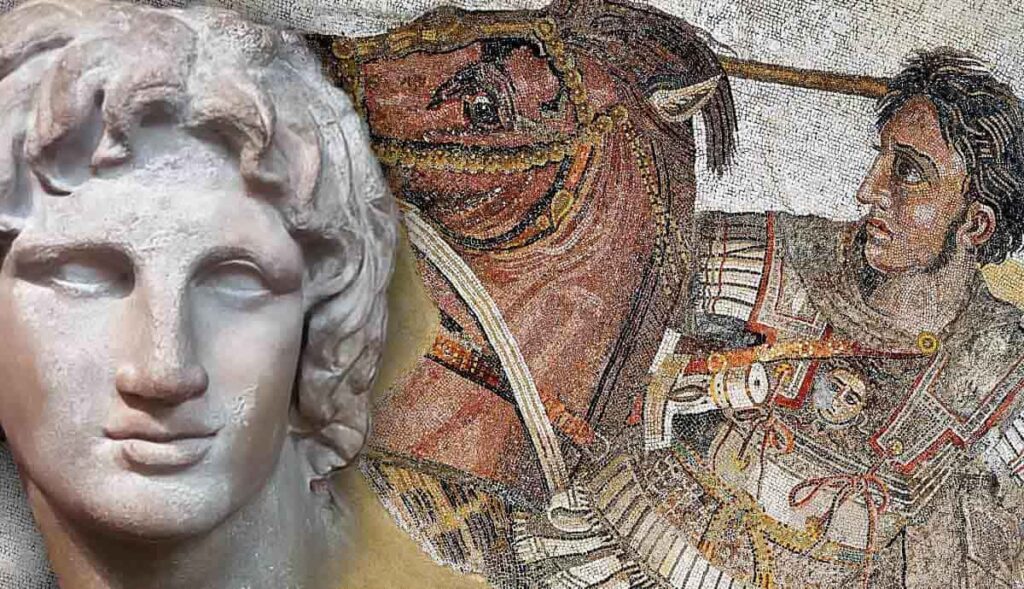
Era & Background: Macedonian king (356–323 BC) who created one of the largest empires in ancient history by age 30.
Impact: His conquests spread Greek culture, language, and ideas from Europe to Asia — blending civilizations in unprecedented ways.
Legacy: Alexander’s empire paved the way for cultural exchange, trade, and innovation — proving leadership can shape the entire course of civilization.
8. Leonardo da Vinci — The Visionary Who Bridged Art and Science
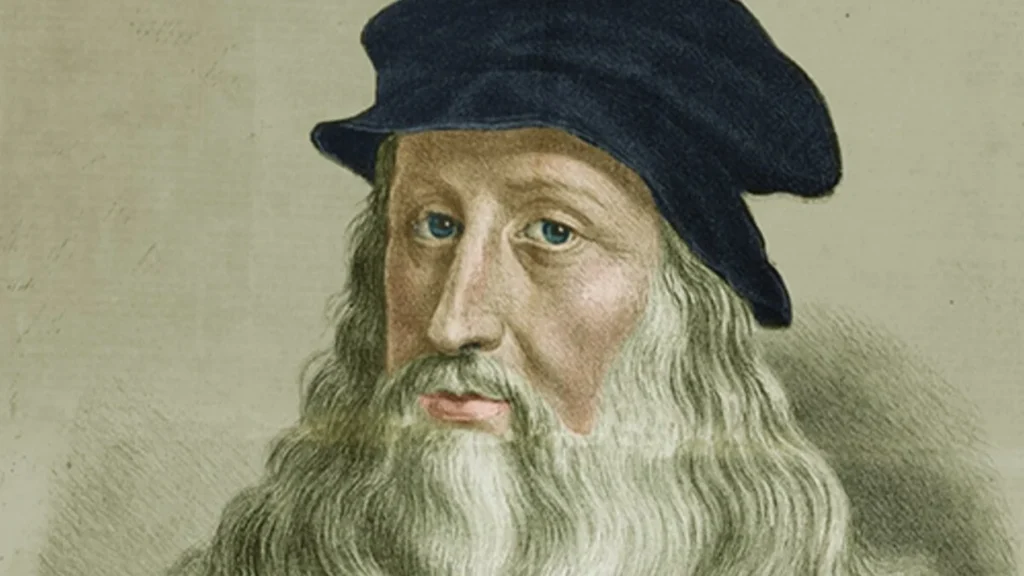
Era & Background: Born in 1452, the Italian polymath mastered painting, anatomy, engineering, and invention.
Impact: His works — from Mona Lisa to early helicopter designs — epitomized the Renaissance spirit of curiosity and creativity.
Legacy: Da Vinci’s genius still inspires artists, scientists, and innovators, embodying the seamless union of imagination and intellect.
9. Mahatma Gandhi — The Symbol of Peace and Non-Violence

Era & Background: Born in 1869, Mohandas K. Gandhi led India’s independence movement through non-violent resistance.
Impact: His philosophy of Satyagraha (truth-force) became a blueprint for civil rights movements across the world.
Legacy: Gandhi’s principles influenced leaders like Martin Luther King Jr. and Nelson Mandela — proving moral strength can topple empires.
10. Marie Curie — The Scientist Who Opened Doors for Modern Medicine
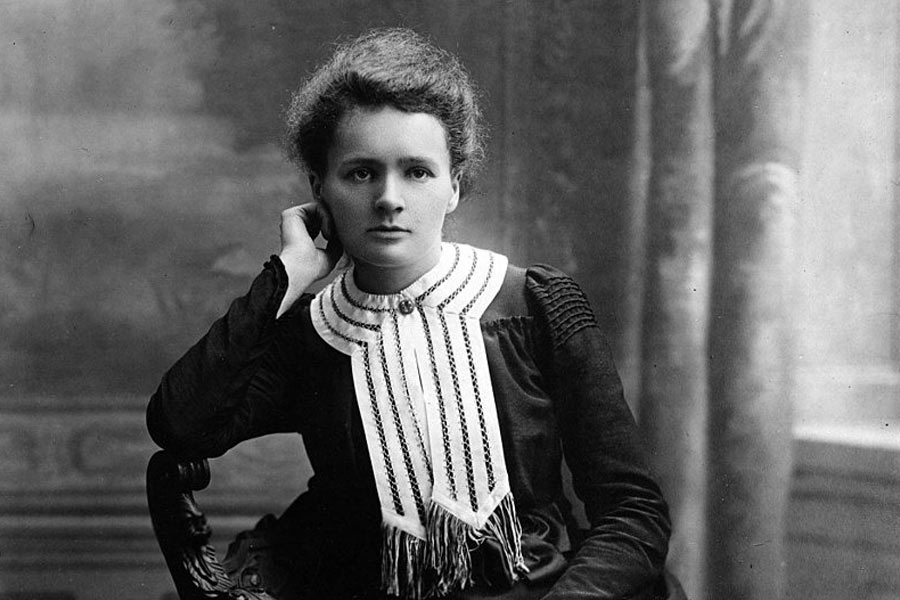
Era & Background: Born in 1867, the Polish physicist and chemist discovered radium and polonium, pioneering research in radioactivity.
Impact: The first person to win two Nobel Prizes, Curie’s work revolutionized physics, chemistry, and medical imaging.
Legacy: Beyond science, she remains an icon for women in STEM — a living symbol of perseverance and brilliance.
Patterns and Insights: What the AI Got Right
Across eras and disciplines, these greatest people who changed the world share common traits:
- Vision: They saw beyond their time.
- Courage: They challenged norms at great personal risk.
- Legacy: Their influence transcended death, echoing across centuries.
Interestingly, half of the names represent spiritual or philosophical influence, while the rest embody scientific, political, or artistic progress — showing that both faith and reason shaped humanity’s path.
Honourable Mentions
A few monumental figures narrowly missed the top 10 but deserve recognition:
- Confucius — Moral philosopher whose ethics still guide East Asian societies.
- Charles Darwin — Naturalist who introduced evolution theory.
- Martin Luther King Jr. — Civil rights leader whose dream reshaped equality.
- Steve Jobs — Visionary entrepreneur who defined digital innovation.
Together, they complete the broader influential people in history list that continues to shape modern life.
What Surprised Me About ChatGPT’s Ranking
As I reviewed the AI’s logic, a few insights stood out:
- It prioritised long-term influence over short-term fame.
- Spiritual and moral teachers ranked higher than modern celebrities or inventors.
- It highlighted a crucial truth — influence isn’t just about discovery, it’s about direction.
This blend of philosophy and data made the list feel unexpectedly human.
The AI Perspective on Legacy and Human Impact
AI’s ability to recognise patterns across history gives us a new lens to appreciate humanity’s collective story.
If algorithms can identify the key figures who shaped human history, maybe they can also help us predict the next generation of changemakers.
This is where technology meets timeless wisdom — an evolving partnership between human vision and machine insight.
Conclusion: The AI Verdict on the Most Influential People of All Time
From Jesus Christ to Marie Curie, this list reveals a simple truth: influence is about creation, compassion, and courage.
The most influential people of all time didn’t just change their own worlds — they changed ours.
Their ideas continue to inspire innovation, shape culture, and guide moral progress even in the age of AI.
So, who would you add to your own influential people in history list?
Drop your thoughts below — or ask ChatGPT to create your personalized version.