Ranking on Google no longer guarantees traffic.
With Zero Click Search, Google answers queries directly on the results page, leaving many searches without clicks. Data from SparkToro shows that over 57% of searches end with no click, fueled by featured snippets and AI answers.
But Zero Click Search doesn’t end SEO—it changes it.
In this guide, you’ll learn a practical zero-click search strategy to understand the Google zero-click search impact, apply modern zero-click search SEO, and discover how to optimize for zero-click search while still earning clicks.
Let’s break down what zero-click search really means and why it matters.
What Is Zero Click Search? (Definition + Real Examples)
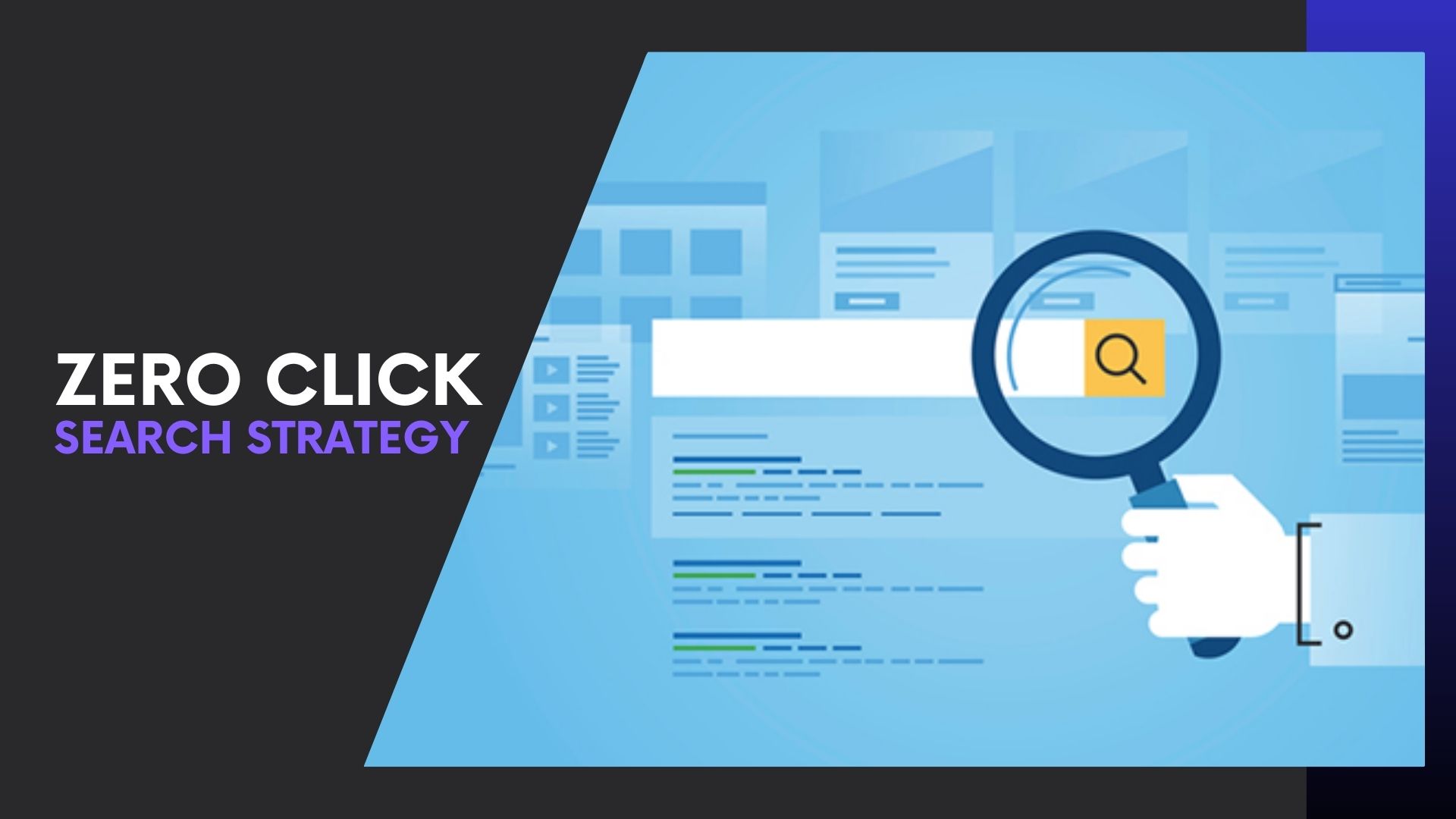
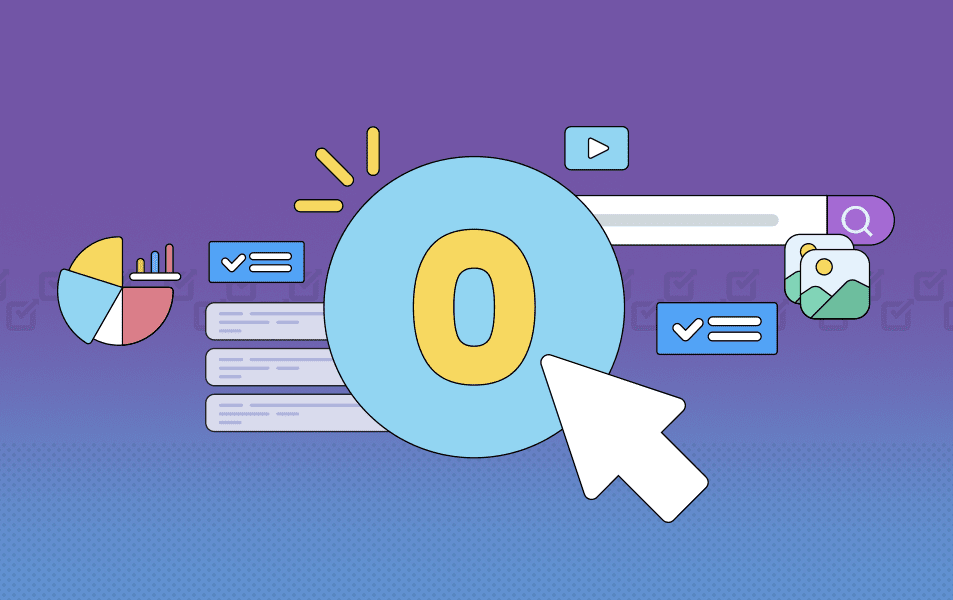
Zero Click Search refers to a Google search where the user gets the answer directly on the search results page and never clicks on any website.
In simple terms, Google becomes the destination—not the gateway.
A Clear Definition
A search is considered a zero-click search when Google satisfies user intent using:
- Featured snippets
- Knowledge panels
- People Also Ask (PAA) boxes
- Local packs
- AI Overviews
This behavior has accelerated as Google evolves into an answer engine, a shift widely documented by platforms like Search Engine Journal and Moz.
Common Zero-Click Search Examples
Here’s how zero-click searches appear in real-world SERPs:
- Featured Snippets
Google extracts a short answer from a webpage and displays it at the top—often eliminating the need to click.
- People Also Ask (PAA)
Expandable question boxes that answer follow-up queries directly on the SERP.
- Knowledge Panels
Instant facts about brands, people, or entities pulled from trusted data sources.
- Local Pack Results
Searches like “best café near me” show maps, reviews, and call buttons—no website visit required.
- AI Overviews
Google’s AI-generated summaries now answer complex questions instantly, amplifying the Google zero click search impact.
Why This Matters for SEO
Traditional rankings still matter—but visibility no longer equals traffic.
This is why modern zero-click searches SEO focuses on:
- Strategic visibility
- Partial answers that spark curiosity
- Branding and authority, not just rankings
Why Zero-Click Searches Are Increasing
Zero click searches are a deliberate shift, not a glitch.
Google’s priority is to deliver answers as fast as possible, especially for mobile and voice users. As a result, Google has evolved from a search engine into an answer engine, satisfying intent directly on the SERP.
Key Drivers Behind Zero-Click Search
- SERP features & AI: Featured snippets, People Also Ask, knowledge panels, and AI Overviews now answer questions instantly—amplifying the Google zero click search impact.
- Mobile & voice search: These formats typically return one direct answer, reducing the need to click.
- User behavior: People prefer instant solutions over browsing multiple links.
- Authority consolidation: Google highlights trusted sources, keeping users on its platform longer.
The Takeaway
Zero click searches are increasing because they align perfectly with Google’s priorities: speed, clarity, and user satisfaction.
Google Zero-Click Search Impact on SEO, Publishers, and Businesses
The Google zero-click search impact is reshaping how traffic, visibility, and conversions work across the web. Rankings still matter—but they no longer guarantee visits.
Impact on SEO Performance
Traditional SEO focused on ranking position. In a Zero Click Search environment, success is measured differently:
- Higher impressions, but lower CTR
- Visibility without traffic
- SERP presence becoming more valuable than blue-link clicks
This forces a shift in zero-click searches SEO—from chasing rankings to engineering curiosity and brand recall.
Impact on Publishers and Content Creators
Publishers are among the hardest hit:
- Informational content is frequently summarized by Google
- Featured snippets often remove the need to click
- AI Overviews compress long-form articles into short answers
However, publishers that win are those producing:
- Original research and data
- Expert opinions and insights
- Content that goes beyond basic definitions
Impact on Businesses and Brands
For businesses, zero-click search is a double-edged sword:
- Less website traffic for generic queries
- Higher-quality leads from branded and high-intent searches
Local businesses, in particular, can benefit when zero-click results drive:
- Calls
- Directions
- Reviews and conversions directly from the SERP
Who Wins and Who Loses
Winners
- Strong brands and recognized entities
- Websites with authority and trust signals
- Businesses optimized for local and branded search
Losers
- Thin affiliate sites
- Generic AI-written content
- Pages built only to rank, not to engage
Key Insight
Zero-click search doesn’t eliminate opportunity—it rewards authority, differentiation, and intent-focused optimization.
Zero Click Searches SEO: Why Ranking #1 No Longer Guarantees Traffic
For years, ranking #1 on Google meant predictable traffic. That rule no longer applies in a Zero Click Search landscape.
Today, Google often answers the query before a user sees your result—making the top ranking informational, not transactional.
How Zero Click SERPs Steal Clicks
Several SERP features now sit above traditional rankings:
- Featured snippets
- AI Overviews
- People Also Ask boxes
- Knowledge panels
Even if your page ranks first, these elements can absorb most user attention, drastically reducing CTR. This is one of the biggest challenges in zero click searches SEO.
Ranking vs. Clicks: The New Reality
Modern SEO success looks different:
- Ranking = visibility
- Clicks = curiosity + intent
In many cases, ranking #1 is still valuable for brand exposure, but traffic depends on whether your result gives users a reason to click.
When Zero Click Results Can Actually Help
Not all zero-click visibility is bad:
- Being cited in a featured snippet builds authority
- Repeated SERP exposure increases brand recall
- Local zero-click actions (calls, directions) can drive conversions
The key is control—deciding what information you give away and what you withhold.
The SEO Shift You Must Make
To succeed, zero click searches SEO must focus on:
- Partial answers that spark curiosity
- Strong meta titles and descriptions
- Clear value beyond what Google displays
How to Optimize for Zero Click Search (Without Losing Clicks)
Winning in Zero Click Search isn’t about avoiding SERP features—it’s about using them strategically. The goal is visibility and clicks, not one at the expense of the other.
Here’s how modern zero-click searches SEO actually works.
Optimize for Featured Snippets (But Don’t Give Everything Away)
Featured snippets are a major driver of zero-click behavior—but they’re also a powerful branding asset if handled correctly.
Best practices:
- Answer the question clearly in 40–60 words
- Place the answer immediately below the heading
- Avoid full explanations—leave room for curiosity
- Tease depth: frameworks, steps, tools, or examples
This approach aligns with how Google extracts snippet content, as explained by Ahrefs, while still encouraging users to click for the full context.
Dominate People Also Ask (PAA) Boxes
PAA boxes expand your SERP real estate and signal topical authority.
How to optimize:
- Use question-based subheadings (H3/H4)
- Provide concise answers followed by expansion
- Internally link to deeper sections of your article
- Cluster related questions together
This tactic is central to how to optimize for zero-click search without sacrificing engagement.
Engineer Click-Worthy Titles and Meta Descriptions
When Google gives answers, curiosity becomes your biggest weapon.
Effective tactics include:
- Open loops (“Here’s what Google doesn’t show you”)
- Outcome-driven phrasing (“How to get clicks anyway”)
- Emotion-based triggers (fear, urgency, advantage)
Your title and meta description must promise value beyond the SERP, or users won’t click—no matter how well you rank.
Structure Content for Scannability and Intent
Google prefers structured, easy-to-extract content. So do users.
Use:
- Short paragraphs (3–4 lines)
- Bullet points and numbered lists
- Clear subheadings with natural keyword placement
This improves snippet eligibility while supporting broader Zero Click Search visibility.
Key Takeaway
To win zero-click SERPs, you must answer strategically, not completely. Give Google what it needs to rank you—but leave enough value to earn the click.

Content Formats That Still Get Clicks in a Zero-Click World
When Google provides instant answers, generic content stops working. To succeed in a zero-click search environment, your content must offer value that cannot be fully summarized on the SERP.
These formats consistently outperform in modern zero click searches SEO.
Original Research and First-Party Data
Google can summarize opinions—but it can’t replace exclusive data.
Content that earns clicks includes:
- Industry surveys and polls
- Original statistics and trend reports
- Proprietary experiments and benchmarks
This type of content is frequently cited but still clicked for full context and credibility.
Case Studies and Real-World Examples
Case studies resist zero-click compression because they:
- Show real processes and results
- Include screenshots, timelines, and metrics
- Provide outcomes users want to replicate
They naturally support how to optimize for zero-click search by offering depth beyond surface answers.
Step-by-Step Guides and Frameworks
Multi-step processes don’t translate well into snippets or AI summaries.
Best-performing formats:
- Detailed workflows
- Checklists and playbooks
- Decision trees and frameworks
These formats encourage users to click for clarity and execution.
Opinionated and Contrarian Content
AI answers tend to be neutral. Strong opinions stand out.
Clicks increase when content:
- Challenges common beliefs
- Takes a clear stance
- Offers expert insights and predictions
This also strengthens brand authority amid the Google zero click search impact.
Interactive and Visual Assets
Tools and visuals create engagement that Google can’t replicate.
Examples include:
- Calculators and generators
- Templates and swipe files
- Infographics and diagrams
Key Insight
If your content can be fully answered in 3–4 lines, it’s vulnerable to zero-click loss.
Advanced Zero-Click Search Strategy for 2026
As Google leans deeper into AI-driven results, surviving Zero Click Search requires more than basic optimization. The focus now shifts from pages to entities, brands, and authority signals.
Here’s how forward-thinking SEOs are adapting.
Optimize for AI Overviews and SERP Citations
Google’s AI Overviews summarize multiple sources—but they still cite trusted websites.
To increase visibility:
- Publish authoritative, well-structured content
- Use clear definitions and factual accuracy
- Support claims with data and expert references
- Build topical depth around one core subject
This directly reduces the negative Google zero-click search impact by positioning your brand as a cited source.
Build Entity-Based SEO, Not Just Keywords
Google increasingly ranks entities (brands, authors, companies) over standalone pages.
Key actions:
- Strengthen brand mentions across the web
- Use consistent author bios and credentials
- Apply structured data (Organization, Person, Article)
- Interlink related content to build topical authority
Entity SEO is now foundational to zero click searches SEO success.
Strengthen EEAT Signals
Experience, Expertise, Authoritativeness, and Trust determine who gets surfaced in answer-based SERPs.
Improve EEAT by:
- Showing real-world experience
- Citing reputable sources naturally
- Publishing expert-led content
- Keeping content fresh and accurate
Invest in Branded Search Demand
Branded searches almost always generate clicks.
To increase them:
- Publish memorable, opinion-led content
- Build an email or community audience
- Be consistently visible across SERPs and social platforms
Strong brands are the biggest winners in Zero Click Search.
Use Google Discover to Recover Traffic
Discover prioritizes:
- Fresh, engaging content
- Emotional headlines
- Visual storytelling
This makes it a powerful channel when traditional clicks decline.
Strategic Takeaway
In 2026, brands win where pages lose. Optimizing for AI visibility, entity authority, and brand demand is the most sustainable Zero Click Search strategy.
Conclusion: Turning Zero Click Search Into an Advantage
Zero Click Search isn’t killing SEO—it’s raising the bar.
As Google answers more queries directly, success now depends on authority, intent, and smart content design. Understanding the Google zero click search impact helps you shift from chasing clicks to earning them.
With the right zero-click searches SEO approach, you can answer strategically, build trust, and create curiosity. When you know how to optimize for zero click search, visibility becomes leverage—and clicks follow.
Adapt early, and zero-click search becomes your advantage, not your loss.