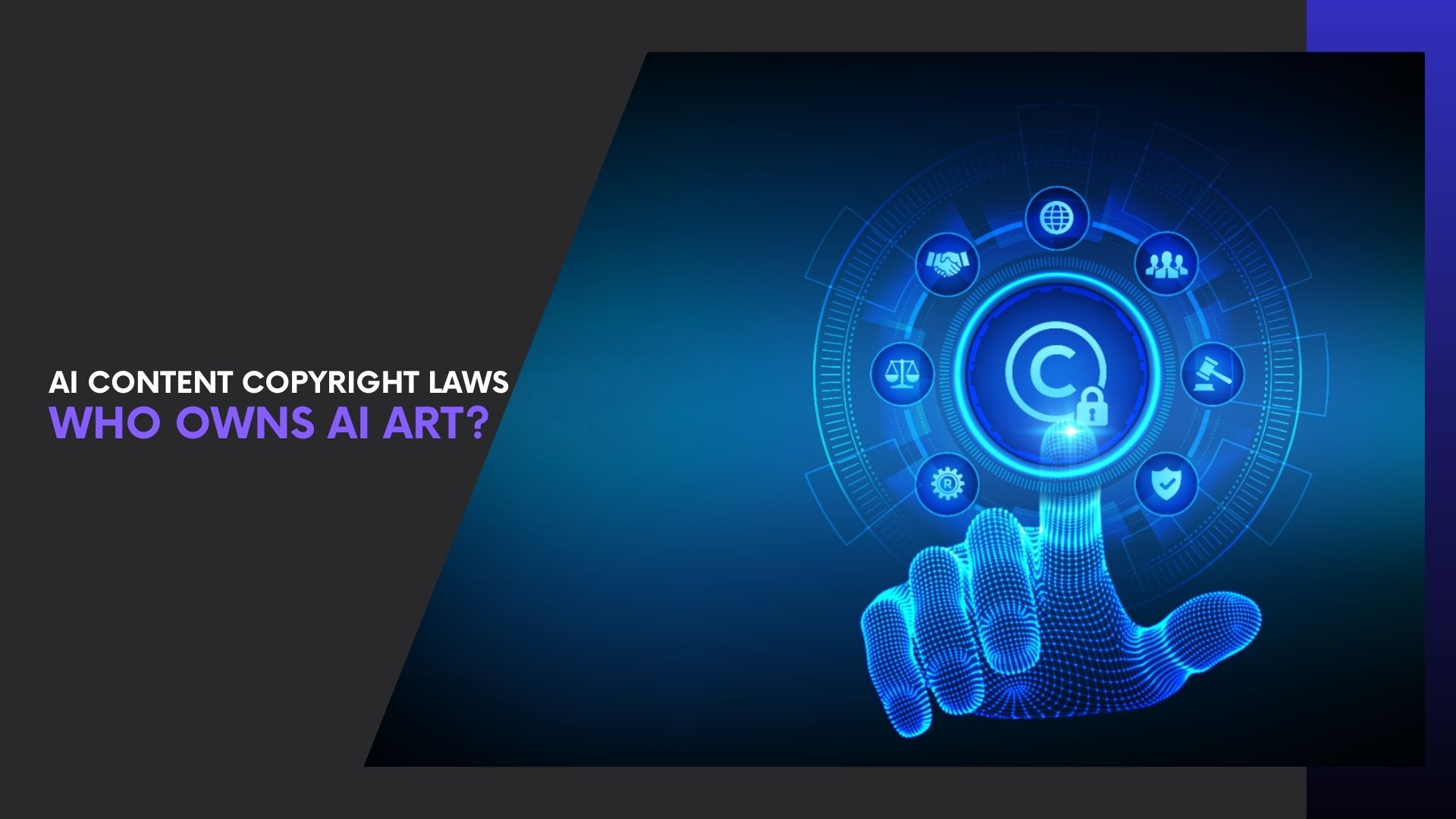
AI-generated art is everywhere—but ownership isn’t clear. That’s where AI content copyright laws come in.
As generative AI tools explode in popularity, creators and businesses are asking a critical question: who owns AI generated art—the user, the AI platform, or no one at all? The answer is far from simple.
Most copyright frameworks were built for human creators, not machines. As a result, AI art copyright ownership remains a legal grey area, with many jurisdictions requiring human authorship under existing copyright laws for AI generated content.
This article breaks down how AI content copyright laws work today and what creators should know before using or monetizing AI-generated art.
What Is AI-Generated Art? (Legal Definition vs Reality)
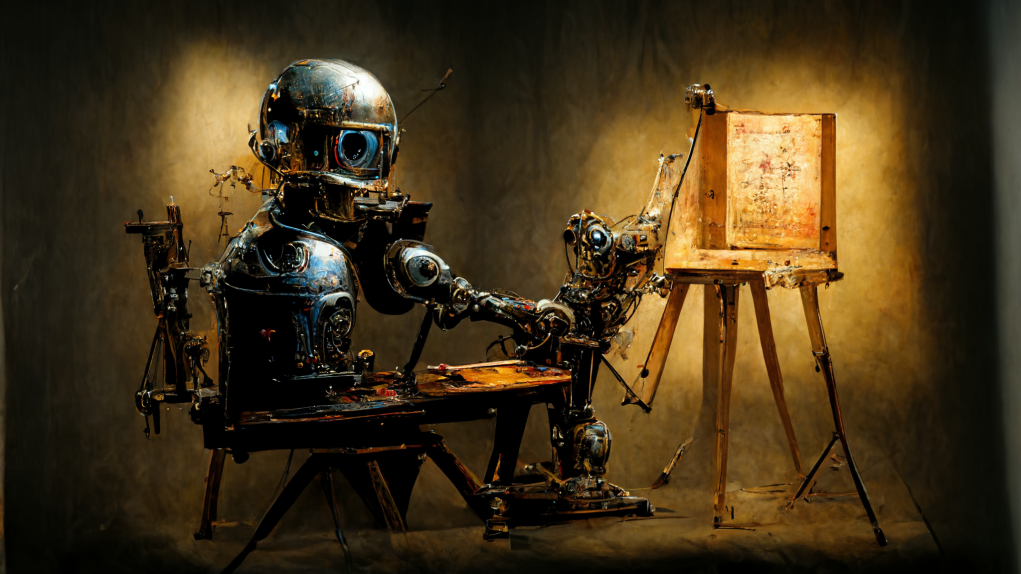
To understand who owns AI generated art, we first need to define what it is.
AI-generated art refers to content created by AI models using user prompts. The system produces the output, often with minimal human control over the final result.
Legally, this creates a problem. Most AI content copyright laws require human authorship. If a work is produced entirely by AI, many authorities argue there is no valid “author” at all.
In practice, creators often refine prompts, edit outputs, or combine multiple generations. These human inputs can influence whether a work qualifies for protection under existing copyright laws for AI generated content and affect AI art copyright ownership.
Who Owns AI-Generated Art?
This is the core issue behind AI content copyright laws: who owns AI generated art created by a machine?
Under most copyright systems, AI cannot own copyright. If art is produced entirely by AI with no meaningful human input, it may not be protected at all.
In short:
- AI can’t own art
- Users may own it—with enough creativity
- Platforms can influence rights through licensing
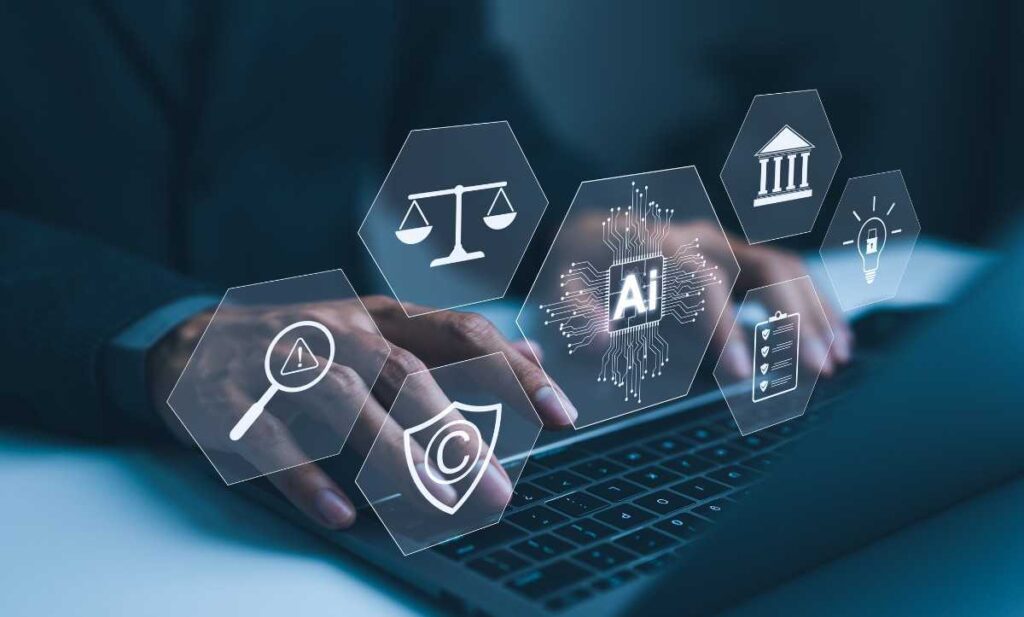
AI Content Copyright Laws: How Different Countries Handle Ownership
Understanding AI content copyright laws requires a global perspective. Ownership rules vary widely by jurisdiction, making location a critical factor in determining rights.
1. United States: The Human Authorship Rule
In the United States, copyright protection is tied strictly to human creativity.
- The U.S. Copyright Office maintains that copyright requires human authorship.
- Purely AI-generated works, created without meaningful human involvement, are not eligible for copyright protection.
This approach directly affects AI art copyright ownership, especially for fully automated creations.
2. European Union: An Evolving Copyright Framework
The European Union also follows a human-centric copyright model.
- Copyright generally belongs to human creators, not machines.
- Ongoing regulatory developments, including the EU AI Act, are expected to influence how copyright laws for AI generated content are applied in commercial and creative contexts.
3. UK, India & Other Jurisdictions: A Different Approach
Some countries take a more flexible stance on AI-generated works.
- The UK recognizes copyright in computer-generated works, often assigning ownership to the person who made the necessary arrangements.
- India and other jurisdictions continue to interpret ownership on a case-by-case basis, leading to varied outcomes globally.
As a result, who owns AI generated art can depend heavily on where the content is created, published, or monetized.
What Is Actually Protected Under AI Content Copyright Laws?
Even when AI is involved, not all hope is lost. AI content copyright laws don’t automatically reject AI-assisted work—they focus on how much human creativity is involved.
In most jurisdictions, fully AI-generated content is not protected. But parts of the creative process can qualify for copyright if they show clear human authorship.
What Can Be Copyrighted
- Human-made prompts with creative depth (beyond simple commands)
- Edits, enhancements, or transformations made after generation
- Selection and arrangement of multiple AI outputs into a final work
- Hybrid creations where AI is used as a tool, not the creator
These elements strengthen claims around AI art copyright ownership because they demonstrate originality.
What Is Not Protected
- Raw, unedited AI outputs
- Content generated with minimal or no human input
- Works created entirely by autonomous systems
This distinction is critical when asking who owns AI generated art, especially for commercial use. Under current copyright laws for AI generated content, protection depends less on the tool—and more on the human behind it.
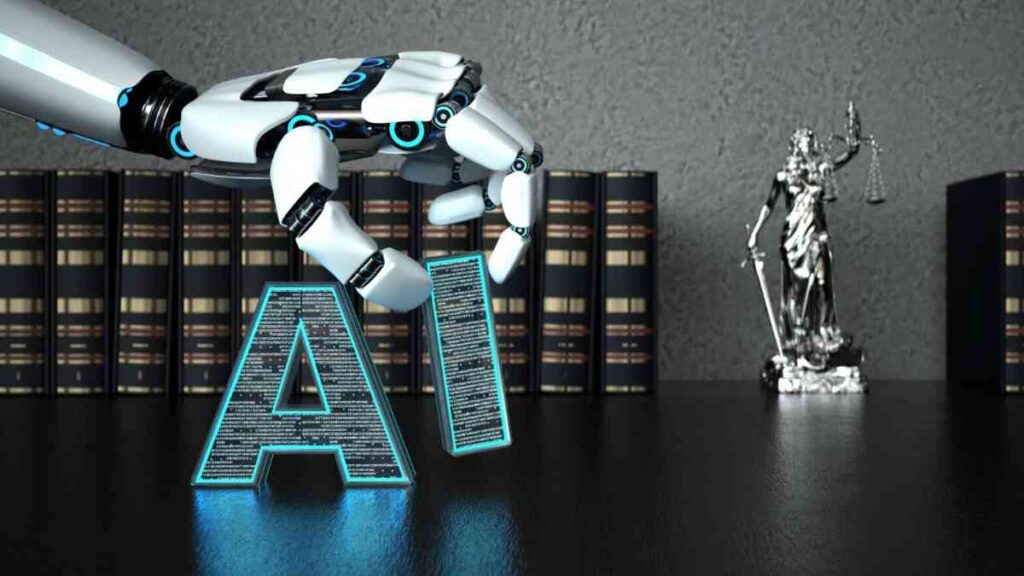
AI Art Copyright Ownership: Training Data & Infringement Risks
One of the most controversial aspects of AI art copyright ownership isn’t the output—it’s what the AI was trained on.
Most generative AI models are trained on massive datasets that include publicly available content, licensed material, and, in some cases, copyrighted works. This has raised serious legal concerns around copyright laws for AI generated content and potential infringement.
Can AI Art Infringe Copyright?
Yes—under certain conditions.
- If an AI output is substantially similar to an existing copyrighted work
- If it reproduces distinctive elements of a known artist’s style or composition
- If the output can be traced back to a specific copyrighted source
In such cases, the user, not the AI, may face legal risk—even if the infringement was unintentional.
Style vs Copying: The Legal Line
- Style inspiration is generally allowed
- Direct replication or near-identical outputs are not
Courts are increasingly examining whether AI outputs are transformative or derivative, a key test under many AI content copyright laws.
For creators, this means one thing: understanding who owns AI generated art also requires understanding what liabilities come with using it.
Can You Sell AI-Generated Art Legally?
Yes—but with limitations. AI content copyright laws allow AI-generated art to be sold, but ownership isn’t always exclusive.
If a work is created entirely by AI, it may not qualify for copyright protection. You can sell it, but others may legally reuse or resell the same content.
When Selling AI Art Is Safer
- Add substantial human creativity through editing or transformation
- Combine multiple AI outputs into a single original work
- Use AI as a creative tool, not the sole creator
Platform Rules Still Apply
- Many AI tools allow commercial use only under specific licenses
- Terms of service can override broader copyright laws for AI generated content
Before monetizing, creators should understand both legal limits and platform terms to avoid disputes over who owns AI generated art.
How Creators Can Protect Their AI-Generated Art
Given the uncertainty around AI content copyright laws, creators need to be proactive. While the law is still evolving, there are practical steps that can strengthen AI art copyright ownership and reduce legal risk.
Best Practices for Stronger Protection
- Use AI as a tool, not a replacement: Add clear human creativity through editing, composition, or transformation.
- Document your creative process: Save prompts, revisions, and edits to show human authorship.
- Avoid direct imitation: Don’t prompt AI to replicate identifiable artists or copyrighted works.
- Review platform licenses carefully: Terms of service can affect commercial rights more than many realize.
- Register copyright where possible: In some jurisdictions, human-modified AI works can still be registered.
These steps won’t eliminate every risk, but they improve your position under existing copyright laws for AI generated content—especially when disputes arise over who owns AI generated art.
Final Verdict: Who Really Owns AI Art Today?
So, who owns AI generated art under current AI content copyright laws? It depends on human involvement and jurisdiction.
In most cases:
- AI cannot own copyright
- Fully AI-generated works may not be protected
- Humans can claim rights when they add meaningful creativity
This means AI art copyright ownership is driven more by the creator’s input than the tool itself. Editing, transforming, and curating AI outputs often determine whether protection applies under existing copyright laws for AI generated content.
Until laws become clearer, using AI as a creative assistant—not a replacement—remains the safest path for creators.