

Google is taking another step toward simplifying app creation with the launch of Google Opal automated workflows, a new feature that introduces an AI-powered agent capable of planning and executing tasks using simple text prompts.
The update transforms Opal from a vibe-coding experiment into a more structured No-code AI workflow builder, designed to make building interactive mini apps and automations accessible to non-technical users.
Google Opal Automated Workflows Powered by Gemini 3 Flash
At the core of Google Opal automated workflows is a new AI agent built on the Gemini 3 Flash model. This agent can automatically choose tools and plan the next steps required to complete tasks.
Instead of manually connecting APIs or writing logic, users simply describe what they want the app to do. The agent interprets the prompt, determines the tools needed and executes the workflow autonomously.
For example, if a user builds an e-commerce helper app, the agent can use Google Sheets to maintain memory across sessions, such as tracking items in a shopping list. This level of integration strengthens Google Workspace automation, allowing data persistence and cross-tool collaboration without requiring code.
A True No-Code AI Workflow Builder
The introduction of this agent positions Opal as a robust No-code AI workflow builder. Users without technical expertise can now design mini web apps that include dynamic logic, memory retention and decision-making processes.
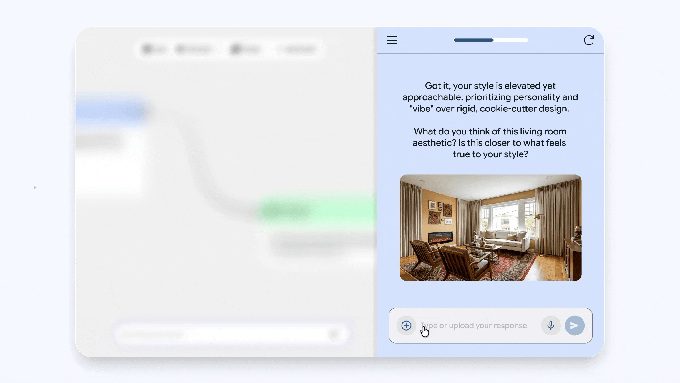
These agents are natively interactive. If additional information is required, they can prompt users for input or present choices to determine the next step. This conversational loop makes Google Opal automated workflows adaptable and responsive rather than static automation scripts.
By embedding intelligence directly into workflow execution, Google aims to lower the barrier for building complex digital processes.
Expanding Google Workspace Automation
The latest enhancement reinforces Google’s broader push into Google Workspace automation. By enabling Opal agents to interact with tools like Google Sheets and potentially other Workspace services, the company is turning simple prompt-based apps into structured productivity systems.
Opal was first introduced to U.S. users in July 2025 as a tool for creating mini web apps or remixing existing ones. In October 2025, Google expanded availability to 15 additional countries, including Canada, India, Japan, South Korea, Vietnam, Indonesia, Brazil and Singapore.
By December, Google integrated Opal into the Gemini web app, allowing users to create custom applications through a visual editor — without writing code. The addition of Google Opal automated workflows now strengthens that foundation with agent-based execution.
Growing Competition in No-Code AI Tools
Google is not alone in the race to build prompt-driven development tools. Startups like Lovable and Replit have gained traction by enabling users to create applications using natural language.
Other emerging players include Wabi, founded by the former Replika founder, as well as SoftBank- and Lightspeed-backed Emergent and Accel-backed Rocket.new. These platforms reflect a broader shift toward conversational programming environments powered by AI.
However, Google’s integration advantage lies in Google Workspace automation, leveraging its ecosystem of productivity tools to create more seamless enterprise-ready workflows.
The Bigger Picture for Google Opal Automated Workflows
With the rollout of Google Opal automated workflows, Google is signaling a shift from simple prompt-based app creation toward intelligent, autonomous workflow orchestration.
The combination of a No-code AI workflow builder and deeper Google Workspace automation could appeal to businesses seeking lightweight automation solutions without investing in complex development cycles.
As AI agents increasingly become task planners rather than simple assistants, tools like Opal may redefine how everyday users build and deploy digital systems.

Don’t miss out on our latest news—follow us for the latest AI news, breakthroughs, and insights that matter.