

How developers are using Apple’s local AI models with iOS 26 is transforming everyday apps with on-device intelligence, offering speed, privacy, and smarter features.
Apple’s Foundation Models framework, unveiled at WWDC 2025, has given developers access to powerful local AI models that work directly on users’ devices. As iOS 26 rolls out globally, developers are already integrating these models into their apps to deliver new capabilities — without the need for expensive cloud inference or risking user privacy.
Smaller, Smarter, and Privacy-First AI
Unlike large cloud-based AI models from OpenAI, Google, or Meta, Apple’s local models are designed to run efficiently on-device. While they may not power headline-grabbing breakthroughs, they excel at improving daily user experiences — from auto-suggesting tags to generating summaries, insights, or learning prompts.
Here’s how popular apps are using Apple’s AI technology:
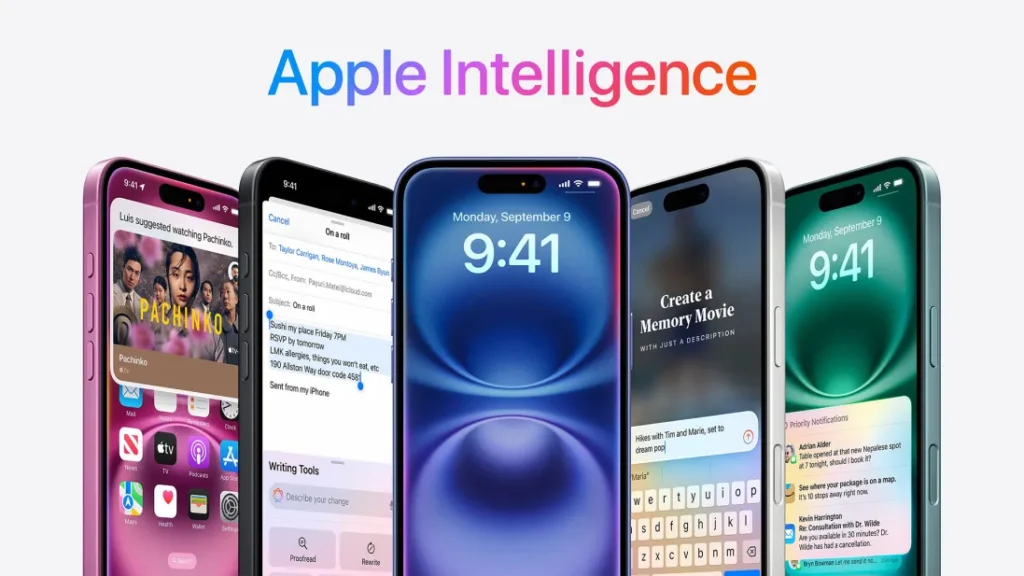
Early Apps Using Apple’s Local AI Models
Lil Artist
This creative learning app now includes an AI story creator that lets kids pick a character and theme, with stories generated instantly on-device using Apple’s local model.
Daylish
A prototype feature suggests emojis for timeline events based on their titles, simplifying the daily planning experience.
MoneyCoach
The finance tracker now analyzes spending patterns and automatically categorizes expenses, giving users deeper insights without sharing data online.
LookUp
This word-learning app added a new learning mode that generates example sentences and even creates a map view of a word’s origin, all powered locally for speed and privacy.
Tasks App
Tasks now automatically suggest tags, detect recurring tasks, and even convert spoken notes into actionable tasks — all on-device.
Day One
The journaling app leverages Apple’s AI to generate titles, highlights, and writing prompts, encouraging users to write more thoughtfully.
Crouton
For recipe lovers, Crouton uses local AI to tag recipes, name timers, and break down cooking steps into easy instructions.
SignEasy
This digital signing app extracts key insights from contracts and summarizes them instantly, ensuring quick decisions without needing cloud processing.
Why Local AI Matters for iOS 26
By keeping AI processing on the device, Apple delivers:
- Faster response times without internet dependence
- Stronger privacy controls, as data stays local
- Lower costs for developers since there’s no cloud inference fee
This focus on practical AI features rather than massive model sizes makes iOS 26 a major step toward everyday AI utility.
Looking Ahead
As more apps adopt Apple’s local AI models with iOS 26, users can expect smarter, more responsive features across productivity, education, and lifestyle tools — all while maintaining privacy and efficiency.
Apple’s approach signals a future where on-device intelligence could become the default standard for app development.