Imagine making every ad, email, and campaign smarter — without increasing your team size. That’s exactly what AI in digital marketing offers. By analyzing data, personalizing content, and automating repetitive tasks, AI helps marketers work faster, smarter, and more efficiently.
Industry surveys show that most marketing leaders already see real ROI from AI-powered tools — from higher engagement to reduced production time.
In this guide, you’ll discover what AI in digital marketing really does, the top AI marketing tools, automation strategies, emerging trends, and a practical step-by-step roadmap to turn AI into measurable growth.
What is AI in Digital Marketing?

AI in digital marketing refers to the use of artificial intelligence technologies—like machine learning, natural language processing, and predictive analytics—to optimize marketing campaigns, automate tasks, and deliver personalized experiences at scale.
Instead of guessing what your audience wants, AI analyzes vast amounts of data, identifies patterns, and predicts behaviors. This allows marketers to:
- Personalize content and recommendations for each user
- Automate ad targeting and bidding in real time
- Optimize email campaigns based on engagement patterns
- Improve SEO and content strategies using predictive insights
The synergy between digital marketing and AI transforms traditional marketing approaches into data-driven, efficient, and highly targeted strategies. From small businesses to global enterprises, AI enables smarter campaigns that drive measurable results.
The Core Benefits of Using AI in Digital Marketing
Implementing AI in digital marketing goes beyond automation—it fundamentally improves how campaigns perform. Here are the key benefits marketers are seeing today:
- Hyper-Personalization: AI analyzes user behavior to deliver tailored content, product recommendations, and ads that resonate with individual preferences.
- Smarter Ad Targeting: With predictive analytics, AI identifies the most valuable audience segments and optimizes ad spend for maximum ROI.
- Marketing Automation: AI automates repetitive tasks like email campaigns, social media posting, and lead scoring, freeing teams to focus on strategy.
- Predictive Insights: AI forecasts trends, customer behavior, and campaign performance, allowing proactive adjustments rather than reactive fixes.
- Real-Time Optimization: AI monitors campaigns in real time, making automatic adjustments to improve conversions, engagement, and overall efficiency.
By leveraging AI-driven digital marketing, brands can operate faster, make smarter decisions, and ultimately deliver a more personalized experience to their audience.
Top AI Marketing Tools Powering Smarter Campaigns
Using the right AI marketing tools can completely transform your campaigns, taking them from average performance to highly targeted, data-driven, and results-oriented strategies. Marketers have access to a wide range of AI-powered platforms designed to streamline content creation, optimize SEO, enhance customer engagement, and maximize ROI. Here’s a curated list of the top AI tools that are shaping modern marketing campaigns, along with their standout features and pricing highlights:
- Jasper AI – Renowned for generating high-quality, human-like content, Jasper AI is ideal for creating blog posts, social media updates, ad copy, and more. It’s especially valuable for marketing teams that need fast, creative content without sacrificing quality. Key features include content templates, tone adjustment, and multi-language support. Pricing: Starts at $29/month.
- HubSpot AI – A comprehensive AI-powered CRM solution, HubSpot AI helps automate email campaigns, segment audiences, and provide actionable analytics. Its AI-driven insights allow marketers to make smarter decisions, optimize workflows, and improve lead conversion rates. Pricing: Free tier available; paid plans start at $50/month.
- MarketMuse – MarketMuse focuses on content strategy and SEO optimization. Using AI, it identifies content gaps, recommends topics, and provides detailed optimization guidance to help your content rank higher in search engines. It’s a must-have for content-heavy marketing campaigns. Pricing: Plans start at $79/month.
- Surfer SEO – Combining AI with SEO analytics, Surfer SEO helps marketers craft content that aligns perfectly with search engine ranking algorithms. Features include SERP analysis, keyword suggestions, and content structure optimization, enabling higher visibility and organic traffic. Pricing: Starts at $59/month.
- AdCreative.ai – This tool leverages AI to design highly engaging ads that improve click-through rates and conversion rates across platforms like Facebook, Instagram, and Google Ads. It streamlines the creative process, allowing marketers to produce multiple variations in minutes. Pricing: Starts at $49/month.
- Writesonic – Writesonic specializes in AI-powered copywriting for a variety of marketing channels, including ads, social media, email campaigns, and landing pages. They offer ready-to-use templates and AI-assisted brainstorming features to accelerate content creation. Pricing: Starts at $19/month.
- ChatGPT – Beyond basic content generation, ChatGPT assists marketers in brainstorming campaign ideas, creating conversational content, and even handling customer interactions in a human-like manner. It’s a versatile tool that complements other AI platforms. Pricing: Free tier available; Plus plan at $20/month.
Together, these AI tools cover the entire spectrum of marketing needs—from ideation and content creation to SEO optimization, ad design, and customer engagement—empowering marketers to run smarter, faster, and more effective campaigns.
How AI Enhances Marketing Automation
One of the biggest game-changers in AI-driven digital marketing is automation. AI doesn’t just save time—it makes campaigns smarter, faster, and more precise. Here’s how AI is enhancing marketing automation:
- Email Campaigns: AI analyzes engagement data to send the right message to the right person at the right time. Subject lines, content, and send times are optimized for maximum opens and clicks.
- Ad Management: AI tools automatically adjust bids, target audiences, and allocate budgets across platforms like Google Ads and Meta Ads to improve ROI.
- Social Media Scheduling & Insights: AI predicts peak engagement times, recommends trending content, and even generates captions tailored to your audience.
- Lead Scoring & Nurturing: AI evaluates leads based on behavior and engagement patterns, helping sales teams focus on high-value prospects.
- Content Recommendations: AI suggests personalized content for website visitors, increasing engagement and reducing bounce rates.
By integrating AI for marketing automation, businesses can reduce manual effort, make data-driven decisions, and maintain consistent, personalized interactions across all channels.
Digital Marketing AI Trends to Watch
The landscape of digital marketing and AI is evolving rapidly. Staying ahead of trends ensures your campaigns remain effective and competitive. Here are the key digital marketing AI trends to watch in coming years:
- Generative AI for Content Creation: AI is creating blogs, videos, and graphics at scale, helping brands produce engaging content faster.
- Hyper-Personalization: AI analyzes behavioral and demographic data to deliver individualized experiences, from product recommendations to dynamic website content.
- Voice & Visual Search Optimization: With voice assistants and image-based search gaining traction, AI helps optimize content for these emerging search methods.
- Real-Time Social Listening & Sentiment Analysis: AI monitors brand mentions and analyzes sentiment across social platforms, enabling timely engagement.
- AI Chatbots & Conversational Marketing: Advanced chatbots handle customer inquiries, lead qualification, and even sales, providing 24/7 support.
- AI Integration with AR/VR & Metaverse Marketing: Marketers are experimenting with immersive experiences powered by AI, creating next-gen engagement opportunities.
Embracing these digital marketing AI trends allows brands to stay competitive, deliver exceptional customer experiences, and maximize ROI in an increasingly AI-driven ecosystem.
AI-Driven Digital Marketing Strategies for Every Channel
Leveraging AI in digital marketing isn’t limited to a single platform—it can enhance every channel of your marketing strategy. Here’s how AI can drive smarter campaigns across key channels:
- SEO: AI-powered tools analyze keywords, optimize content, and predict ranking opportunities to boost organic traffic.
- PPC & Paid Ads: AI automates bid adjustments, audience targeting, and budget allocation, ensuring ads reach the right users at the right time.
- Social Media Marketing: AI identifies trending topics, recommends content strategies, and even generates captions and visuals tailored for each platform.
- Email Marketing: AI segments audiences, optimizes send times, and personalizes messages to improve open and conversion rates.
- Content Marketing: AI predicts what topics will resonate with your audience, suggests improvements, and optimizes readability and SEO performance.
By integrating AI across all marketing channels, businesses can create cohesive, data-driven campaigns that maximize reach, engagement, and conversions.
Challenges and Ethical Concerns in AI Marketing
While AI-driven digital marketing offers immense benefits, it’s important to understand the potential challenges and ethical considerations:
- Data Privacy Issues: AI relies on vast amounts of customer data. Mishandling this information can lead to privacy breaches and regulatory penalties.
- Bias in AI Algorithms: If AI is trained on biased datasets, it can perpetuate discrimination in ad targeting or content recommendations.
- Over-Automation Risks: Excessive reliance on AI may reduce human creativity and empathy, resulting in campaigns that feel impersonal.
- Transparency & Trust: Customers expect brands to use AI ethically. Lack of transparency in AI-driven decisions can erode trust.
- Technical Complexity: Implementing AI solutions requires expertise and ongoing monitoring to ensure effectiveness and compliance.
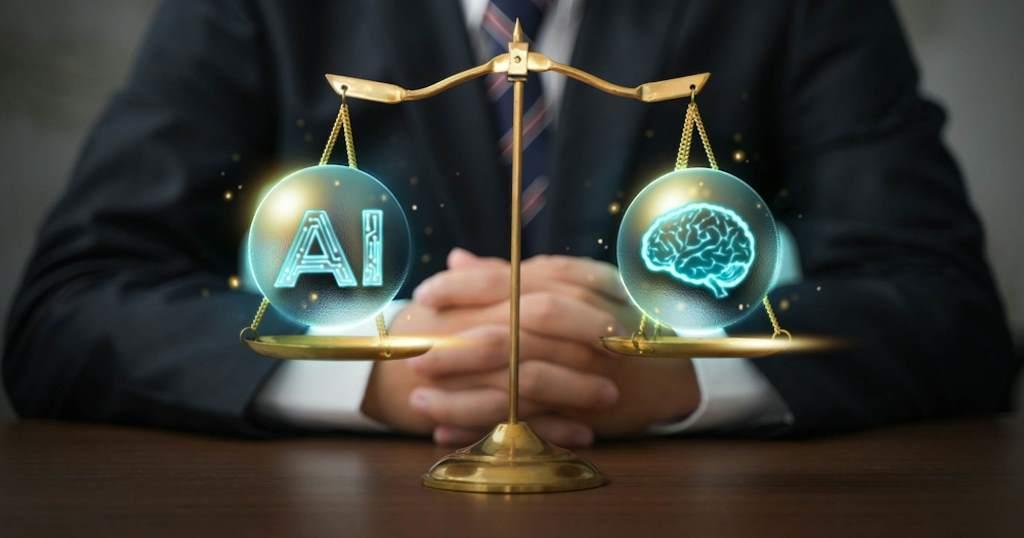
Balancing AI efficiency with human oversight ensures that digital marketing and AI work together responsibly, maintaining both performance and trust.
Future of AI in Digital Marketing: What’s Next?
The future of AI in digital marketing is shaping up to be smarter, faster, and more integrated. Here’s what to expect in the coming years:
- Generative AI for Campaign Design: AI will increasingly create ads, videos, and content that are not only optimized for performance but also aligned with brand storytelling.
- Predictive Consumer Behavior Models: Advanced AI will anticipate customer needs before they arise, enabling hyper-targeted campaigns.
- Integration with Emerging Tech: AI will merge with AR/VR, metaverse marketing, and IoT, delivering immersive and interactive experiences.
- Real-Time Decision Making: AI will analyze multi-channel data instantaneously, allowing marketers to adjust campaigns on the fly.
- Ethical and Responsible AI Use: Future AI tools will prioritize transparency, fairness, and privacy, helping brands maintain consumer trust.
By embracing these innovations, marketers can position themselves ahead of the curve, leveraging AI-driven digital marketing to stay competitive and deliver unmatched customer experiences.
Step-by-Step: How to Get Started with AI in Digital Marketing
Getting started with AI in digital marketing doesn’t have to be overwhelming. Here’s a practical roadmap to integrate AI effectively:
- Audit Your Current Marketing Data
- Review your existing customer data, campaign performance, and content assets.
- Identify gaps and opportunities where AI can add value.
- Identify Automation Opportunities
- Pinpoint repetitive tasks like email scheduling, ad bidding, and social posting.
- Determine where AI can optimize workflows without replacing human creativity.
- Choose the Right AI Marketing Tools
- Select tools that align with your goals, budget, and team capabilities.
- Examples: Jasper AI for content, HubSpot AI for automation, Surfer SEO for search optimization.
- Start Small and Measure Results
- Pilot AI in one or two campaigns first.
- Track performance metrics, analyze results, and refine strategies before scaling.
- Combine AI Insights with Human Creativity
- Use AI recommendations to inform strategy but maintain a human touch in messaging and branding.
- Balance automation with personalization to enhance engagement.
Following these steps ensures a smooth and effective integration of AI for marketing automation into your campaigns, driving measurable results without overwhelming your team.
Conclusion — The Smarter Way Forward
AI is no longer just a buzzword in marketing—it’s a transformative force. By embracing AI in digital marketing, brands can deliver hyper-personalized experiences, optimize campaigns in real time, and automate repetitive tasks without sacrificing creativity.
The future favors marketers who combine AI-driven digital marketing tools with human insight: leveraging data to make smarter decisions, anticipate customer needs, and stay ahead of trends.
Start small, experiment with the right AI marketing tools, and scale strategically. The result? Smarter campaigns, higher ROI, and an audience that feels genuinely understood.
By integrating AI thoughtfully, your marketing efforts become not only more efficient but also more impactful, setting the stage for growth.
FAQ — AI in Digital Marketing
1. What is AI in digital marketing?
AI in digital marketing uses technologies like machine learning and predictive analytics to optimize campaigns, personalize content, and automate repetitive tasks for better results.
2. What are the top AI marketing tools?
Popular tools include Jasper AI (content creation), HubSpot AI (automation & analytics), MarketMuse (SEO optimization), Surfer SEO, AdCreative.ai, Writesonic, Copy.ai, and ChatGPT.
3. How can AI improve marketing automation?
AI automates tasks such as email campaigns, ad bidding, social posting, lead scoring, and content recommendations, freeing teams to focus on strategy while improving efficiency.
4. What are the latest digital marketing AI trends?
Key trends include generative AI content, hyper-personalization, voice & visual search optimization, AI chatbots, real-time social listening, and AI integration with AR/VR and metaverse marketing.
5. Is AI replacing human marketers?
No. AI enhances human creativity and decision-making by providing data-driven insights, automating repetitive tasks, and enabling smarter, more targeted campaigns.
6. How do I get started with AI for online marketing?
Start by auditing your data, identifying automation opportunities, selecting the right AI marketing tools, running pilot campaigns, and combining AI insights with human creativity for scalable results.