
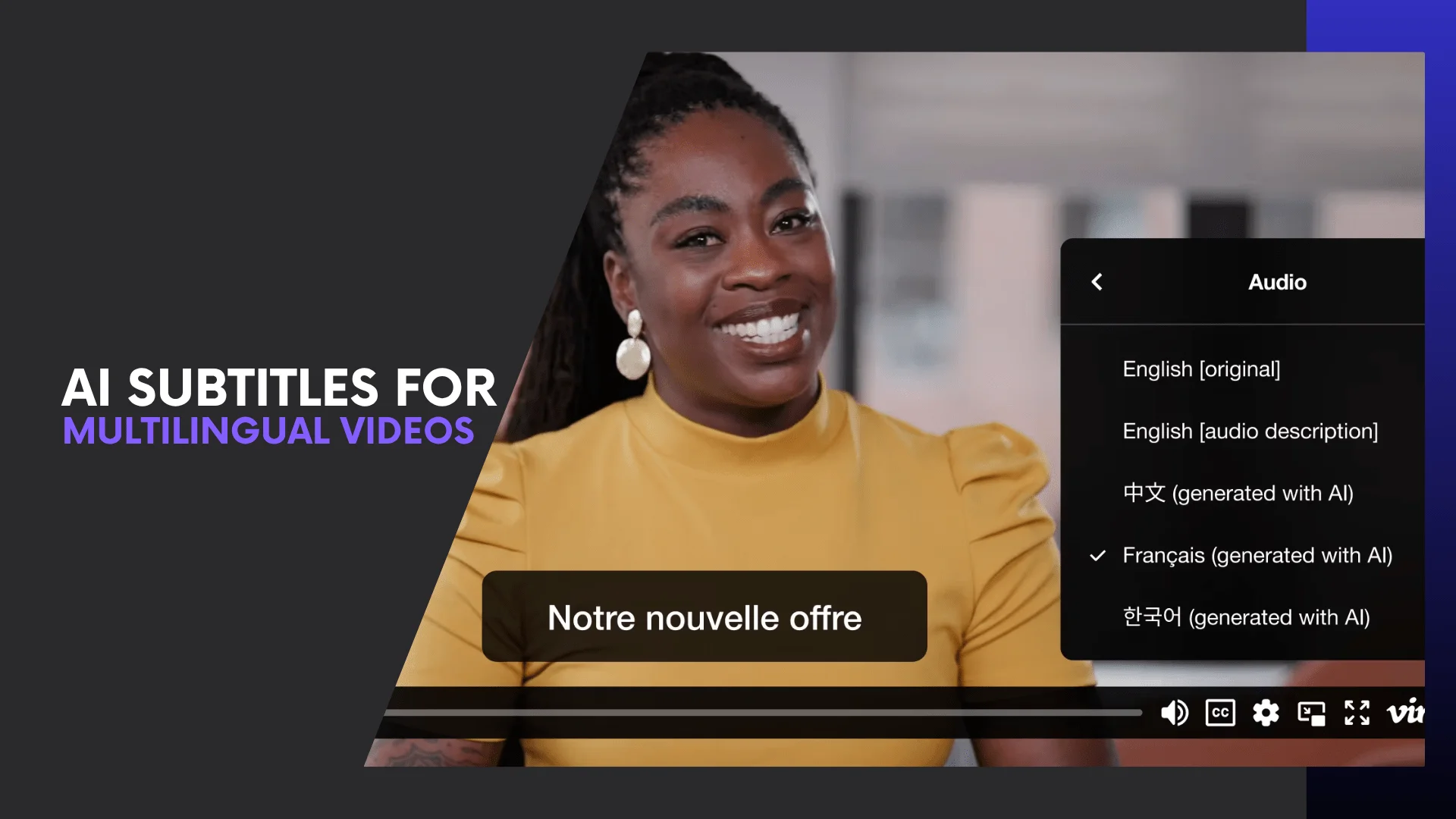
With over 500 hours of video uploaded to YouTube every minute, the competition for viewer attention is fierce. However, a significant portion of this content remains inaccessible to a vast global audience due to language barriers. According to recent studies, videos with subtitles see a 40% boost in watch time and 25% more social media interaction.
This is where AI subtitles for multilingual videos come into play. By leveraging advanced artificial intelligence, creators can automatically generate accurate subtitles in multiple languages, making their content accessible to a broader audience. AI-powered tools not only translate spoken words but also adapt to cultural nuances, ensuring that the message resonates authentically across different regions.
Implementing AI subtitles goes beyond mere translation; it enhances user experience, boosts engagement, and significantly improves SEO performance. Platforms like YouTube and Instagram have already integrated AI-driven translation features, allowing creators to reach global audiences effortlessly.
In this article, we’ll explore how AI subtitles, combined with AI audio translation tools, multilingual video SEO strategies, and AI-powered video localization, can transform your content strategy and expand your global reach.
Understanding AI Subtitles for Multilingual Videos
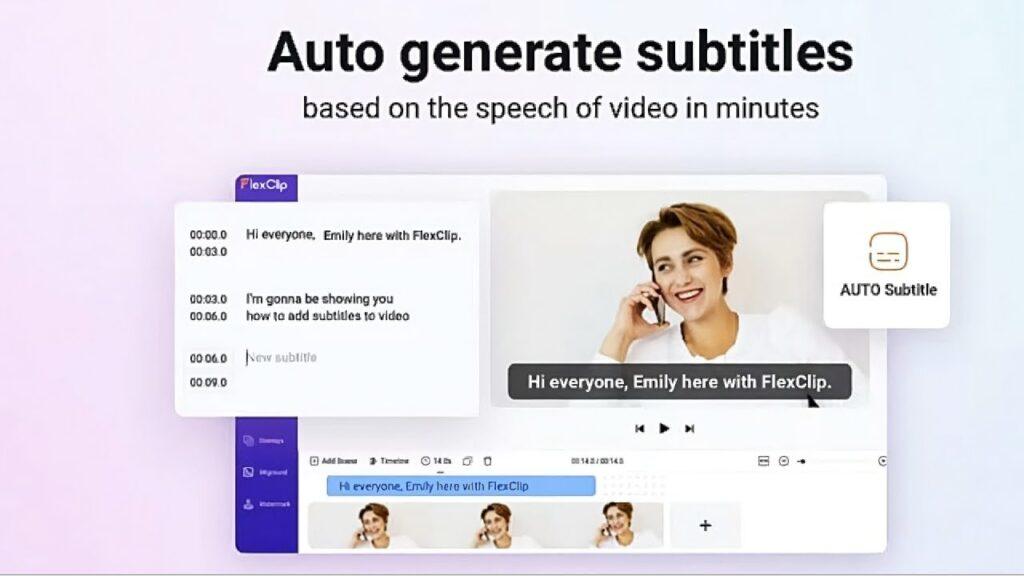
Creating videos that resonate globally isn’t just about producing high-quality content—it’s about making it accessible. This is where AI subtitles for multilingual videos become a game-changer.
What Are AI Subtitles?
AI subtitles are automatically generated captions that convert spoken language in videos into written text. These subtitles can then be translated into multiple languages using AI algorithms. Unlike traditional manual subtitles, AI subtitles are:
- Faster: Generate captions in real-time or within minutes.
- Scalable: Perfect for creators producing multiple videos in different languages.
- Accurate: Modern AI models recognize context, tone, and industry-specific terminology.
Why They Matter for Global Reach
- Enhanced Engagement: Videos with subtitles see higher watch times.
- Accessibility: People with hearing impairments or non-native speakers can enjoy your content.
- SEO Benefits: Search engines index subtitles, increasing your video’s discoverability.
For example, platforms like Kapwing and Veed.io allow creators to automatically add AI-powered multilingual subtitles, instantly widening their audience.
By integrating AI subtitles for multilingual videos, content creators and brands can break language barriers, engage audiences worldwide, and improve organic reach across search engines and social platforms.
The Role of AI Audio Translation Tools
While AI subtitles make your video content readable in multiple languages, AI audio translation tools take accessibility a step further by converting spoken content directly into translated audio. This means your audience can hear your content in their native language, creating a more immersive and engaging experience.
How AI Audio Translation Tools Work
AI audio translation tools use a combination of speech recognition, natural language processing, and text-to-speech (TTS) technologies to translate and voice content. Here’s a simplified workflow:
- Speech Recognition: The AI transcribes spoken words from the original video.
- Translation: The transcription is translated into the target language.
- Audio Generation: The translated text is converted into natural-sounding speech.
Benefits of Using AI Audio Translation Tools
- Faster Content Localization: Translate and dub videos in multiple languages in minutes instead of weeks.
- Cost-Effective: Eliminates the need for human translators and voice actors for every language.
- Consistency: Maintains tone and style across all translated versions.
- Enhanced Engagement: Viewers are more likely to watch and share videos they can understand in their native language.
Popular tools include Rask.ai, DeepL, and Synthesia, which seamlessly integrate AI-powered audio translation into your video workflow.
Pairing AI subtitles for multilingual videos with AI audio translation tools allows content creators to deliver fully localized video experiences, increasing global reach, engagement, and audience satisfaction.
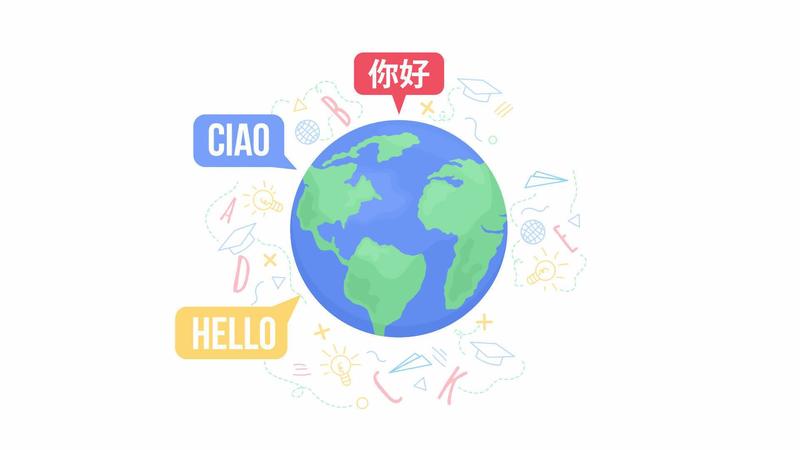
Implementing Multilingual Video SEO Strategies
Creating multilingual content is only half the battle. To truly boost global engagement, your videos need to be discoverable. This is where multilingual video SEO strategies come into play.
Why Multilingual SEO Matters
Search engines like Google and YouTube rely on textual data—titles, descriptions, tags, and subtitles—to index video content. Without proper SEO, even high-quality videos may remain invisible to international audiences. By combining AI subtitles with strategic multilingual SEO, your content can reach far beyond its original language market.
Key Multilingual Video SEO Techniques
- Optimized Titles and Descriptions:
- Translate your video title and description into target languages using AI translation tools.
- Include primary and secondary keywords naturally in each language.
- Subtitles and Transcripts:
- Use AI-generated subtitles for multilingual videos to create text that search engines can index.
- Provide full transcripts for better SEO impact.
- Localized Tags and Metadata:
- Add tags in multiple languages relevant to your target audience.
- Optimize video metadata to reflect cultural and regional preferences.
- Engagement Signals:
- Encourage viewers to like, comment, and share videos in their local language.
- Videos with higher engagement rank better in global search results.
Case Study
Companies that implemented multilingual SEO strategies, including AI subtitles and translations, saw up to a 70% increase in organic traffic from international markets (Search Engine Journal).
Key Takeaway
Multilingual video SEO strategies, combined with AI subtitles for multilingual videos and AI audio translation tools, ensure your content not only reaches a global audience but also ranks higher in search results, maximizing visibility and engagement.
Leveraging AI-Powered Video Localization
While AI subtitles and audio translations make your content accessible, AI-powered video localization ensures it resonates with your target audience on a cultural level. Localization goes beyond language—it adapts content to reflect regional norms, idioms, and cultural context, making your videos feel native to viewers worldwide.
What is AI Video Localization?
AI video localization uses advanced algorithms to:
- Synchronize subtitles and audio with lip movements and pacing.
- Adapt visuals and on-screen text for different regions.
- Maintain tone, humor, and context relevant to the target audience.
Tools like DubTitles.io and Rask.ai automate this process, enabling creators to produce fully localized videos in a fraction of the time traditional methods require.
Benefits of AI-Powered Video Localization
- Time and Cost Efficiency: Reduces manual translation and editing costs.
- Consistency Across Markets: Ensures your brand message is coherent in every language.
- Higher Engagement: Viewers are more likely to watch, share, and convert when content feels culturally relevant.
- SEO Advantage: Localized videos with accurate subtitles and metadata rank better in regional search engines.
By combining AI subtitles for multilingual videos, AI audio translation tools, and AI-powered video localization, brands can deliver a truly global content strategy that engages diverse audiences while maximizing reach and ROI.

Best Practices for Maximizing Global Reach
Creating AI-powered multilingual videos is just the first step. To maximize global engagement, it’s essential to implement best practices that ensure your content reaches the right audience and delivers value.
1. Maintain High-Quality Subtitles and Audio
- Review AI-generated subtitles regularly for accuracy and context.
- Test AI audio translations to ensure pronunciation and tone are natural.
- Even the best AI can misinterpret slang, idioms, or technical jargon—human oversight ensures quality.
2. Optimize for Multilingual SEO
- Include primary and secondary keywords naturally in translated titles, descriptions, and tags.
- Use AI-generated transcripts for each language to provide search engines with additional text to index.
- Focus on regional SEO differences, as search behaviors vary by country.
3. Engage Your International Audience
- Encourage viewers to select their preferred language via subtitles or audio tracks.
- Respond to comments in multiple languages when possible, fostering connection and trust.
- Include CTAs (call-to-actions) that are localized for each audience.
4. Leverage Analytics for Continuous Improvement
- Monitor engagement metrics like watch time, retention, and shares across different languages.
- Identify which languages or regions perform best and prioritize content for those markets.
- Use AI tools to continuously improve translations, subtitles, and localized content.
5. Keep Content Culturally Relevant
- Adapt examples, references, and visuals to suit local cultural contexts.
- Ensure messaging aligns with local trends and viewer expectations.
Following these best practices ensures your AI subtitles for multilingual videos, combined with AI audio translation tools and AI-powered video localization, truly maximize global reach, engagement, and conversions.
Conclusion
Breaking language barriers is no longer optional for content creators and brands aiming to go global. By leveraging AI subtitles for multilingual videos, AI audio translation tools, and AI-powered video localization, you can transform your content strategy and reach audiences across the world effortlessly.
Key Takeaways:
- AI Subtitles for Multilingual Videos: Enhance accessibility, engagement, and SEO by automatically generating accurate captions in multiple languages.
- AI Audio Translation Tools: Deliver translated audio that resonates with native speakers, creating immersive viewing experiences.
- Multilingual Video SEO Strategies: Optimize titles, descriptions, tags, and transcripts to improve visibility in global search results.
- AI-Powered Video Localization: Adapt content culturally and linguistically to increase relevance and viewer retention.
Implementing these strategies doesn’t just expand your audience—it builds stronger connections, increases watch time, and boosts conversions. Platforms like DubTitles.io, Rask.ai, and Veed.io make integrating AI-powered multilingual solutions seamless and scalable.


