

A growing wave of AI data center bans is spreading across the United States as small towns challenge the rapid expansion of energy-hungry facilities built to power artificial intelligence. What began as a local zoning dispute in Saline Township, Michigan, has now evolved into a national debate over who controls the environmental and economic future of rural America.
Saline Township Takes a Stand
The conflict in Saline Township erupted when the local board voted 4–1 to reject a rezoning proposal from Related Digital, a data center developer backed by major real estate investors. The decision—made after months of heated town hall meetings—sparked a lawsuit accusing the township of “exclusionary zoning” and violating economic rights.
Residents argued the proposed AI data center threatened to drain local wells, increase noise levels, and overburden the electrical grid. Despite promises of job creation and infrastructure investment, the township prioritized preserving farmland and protecting the environment.
“This isn’t just about one project,” said a community activist involved in the campaign. “It’s about whether small towns get a say in how AI reshapes their lives.”
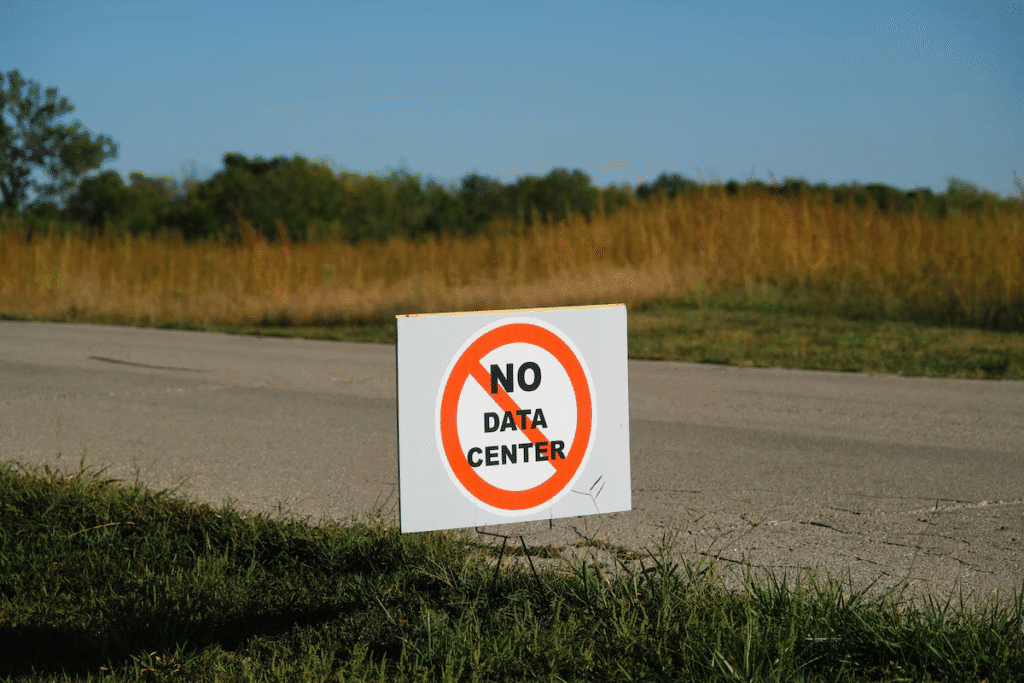
AI Data Center Bans on the Rise Nationwide
Saline Township’s standoff mirrors a larger trend. In Missouri, the town of Peculiar recently changed zoning laws to block new data centers after billion-dollar proposals fueled fears about resource depletion. Meanwhile, Indiana communities have pushed back on developments citing concerns about water use and air quality.
Cities like St. Charles and St. Louis, Missouri, even placed one-year moratoriums on all new data center construction—buying time to study environmental and infrastructure impacts before granting further permits.
Environmental Strain and Power Struggles
The AI boom has accelerated demand for massive computing infrastructure, pushing companies like Google, Meta, and Microsoft to expand aggressively. However, environmental experts warn that these facilities can strain local grids, consume millions of gallons of water daily, and emit pollutants through diesel backup generators.
In areas such as Northern Virginia and Port Washington, rapid data center growth has tripled power demand and prompted new high-voltage transmission lines through residential zones and protected lands.
“AI data centers are reshaping local ecosystems faster than regulations can adapt,” said an environmental policy researcher. “We’re seeing small towns shoulder global tech’s environmental costs.”
Grassroots Resistance Gains Momentum
Local coalitions opposing AI data centers are increasingly coordinated, using social media to share legal strategies, host educational forums, and demand stricter environmental impact assessments. Many groups advocate for transparency, sustainable energy integration, and water-use limits before any new facility is approved.
Tech companies, under mounting scrutiny, are beginning to emphasize eco-friendly initiatives like on-site renewable energy and recycling-based cooling systems. Yet critics argue such measures often arrive too late—after communities are already facing disruptions.
A Defining Moment for America’s AI Infrastructure
As AI data center bans gain traction, experts predict a growing wave of legal showdowns between municipalities and developers. The conflict underscores a broader question: who gets to decide how artificial intelligence reshapes America’s landscapes and resources?
For now, towns like Saline are holding their ground. “We’re not against progress,” one township resident said. “We’re against losing our home to it.”