

Meta is stepping up its efforts to shield older adults from online fraud by rolling out enhanced scam-warning features on its messaging apps WhatsApp and Messenger. As part of a broader drive to fight scams targeting vulnerable users, the company announced changes on October 21, 2025.
New Warning Features for Older Adults
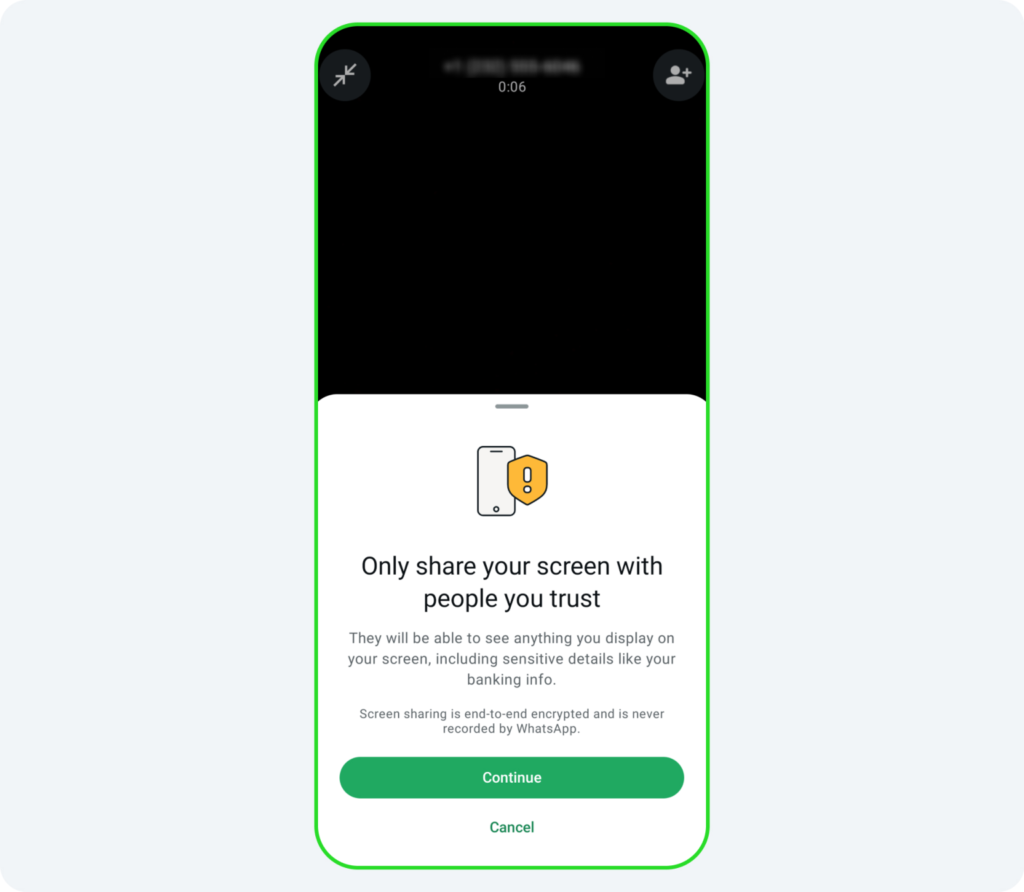
Meta highlights two major additions:
- On WhatsApp, users who attempt to share their screen during a video call with a contact not in their address book will now receive an alert. The prompt encourages caution: screen-sharing with unknown contacts can lead to exposure of bank details, verification codes or other sensitive personal data.
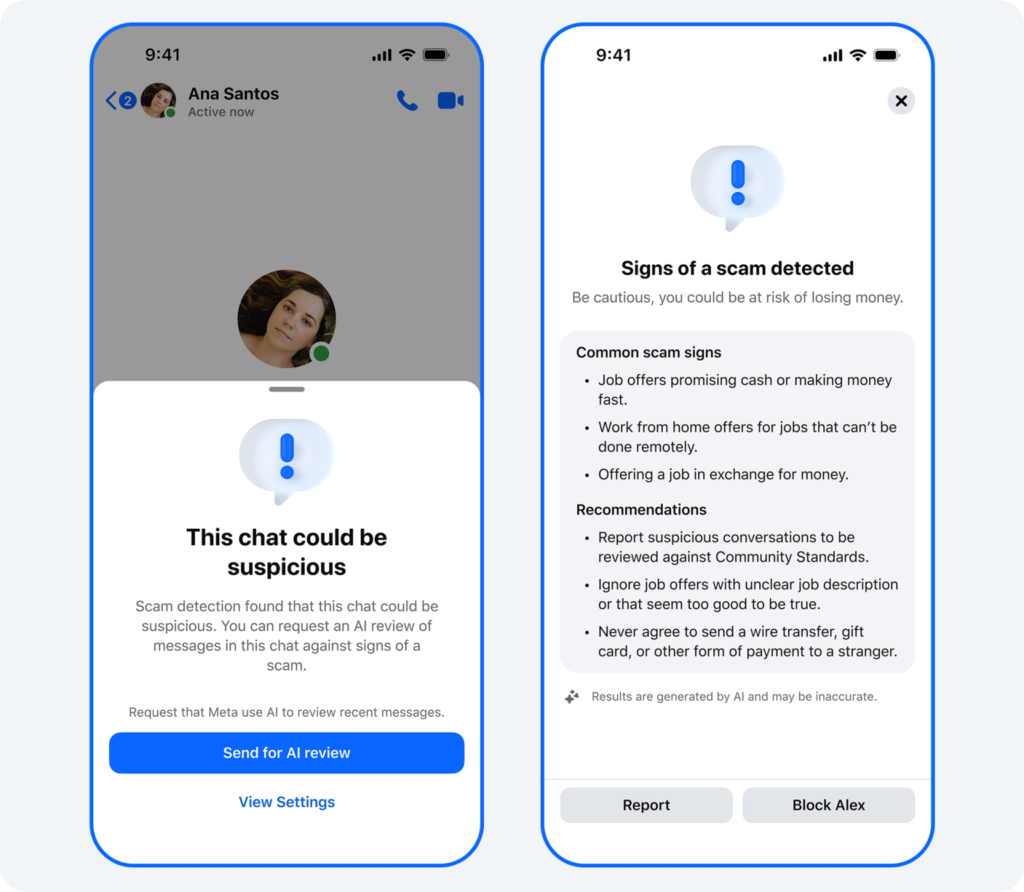
- On Messenger, the company is testing AI-powered chat monitoring. Incoming messages from potentially suspicious contacts can be flagged, and users may be given an option to forward recent messages for an AI review of scam risk. If flagged, the user receives a warning with examples of common scam tactics (e.g., easy money offers, work-from-home pitches) and quick options to block or report the sender.
Scale of the Challenge
These new features come amid a major crackdown by Meta: the company reports it detected and disrupted roughly 8 million accounts linked to scam operations in the first half of 2025. These networks span across multiple countries, including Myanmar, Laos, Cambodia, the UAE and the Philippines.
In addition, more than 21,000 Facebook Pages and accounts masquerading as customer-support agents have been removed for their role in steering victims toward fraud.
Targeting Older Adults: Why It Matters
Older adults online face specific risks:
- They may be less familiar with digital-fraud techniques like romance scams, impersonation, unsolicited payment requests or screen-sharing traps.
- Scammers often exploit loneliness, retirement transitions or diminished digital literacy.
- The FBI’s 2024 Internet Crime Report found that U.S. victims aged 60 and over lost a combined $4.8 billion to fraud in a single year.
Meta’s initiative focuses on “older adults online scams” as a key theme—delivering tailored tools, alerts and digital-literacy content for this demographic.
Global Awareness & Partnerships
Beyond product updates, Meta is collaborating with external organizations to boost education:
- In India, the company extended its “Scams Se Bacho” campaign in partnership with the Department of Telecommunications, offering multilingual video content aimed at older users.
- Meta also joined the National Elder Fraud Coordination Center (NEFCC), which unites law-enforcement, consumer-protection groups and major corporations to tackle senior-targeted fraud.
What Users & Families Should Do
Meta offers practical steps to reduce risk of “older adults online scams”:
- Pause before responding to unsolicited messages, especially those promising quick cash or requesting screen-sharing.
- Verify contact identity by reaching out through a separate, known channel.
- Don’t share bank details, OTPs or screen-share with unknown callers.
- Utilize built-in tools: Block and Report features, Passkeys for login, Security & Privacy Checkups on Meta’s apps.
- Families and caregivers should engage in candid discussions with older relatives about digital risks and ensure their apps are updated with safety settings enabled.
Why This Move Is Important
The new product alerts and warnings mark a shift from reactive fraud-takedown to proactive prevention—especially oriented toward older users. By integrating warnings into day-to-day messaging apps, Meta aims to reduce the impact of “older adults online scams” at the point of risk.
Detecting and disrupting large-scale scam accounts is vital, but equipping users with knowledge and real-time alerts helps close the gap before a scam occurs.
What’s Next
As Meta rolls out these features globally, key questions to monitor include:
- How quickly and accurately will Messenger’s AI-scam detection expand to all users?
- Will similar alerts be introduced on Instagram or other Meta platforms?
- How will Meta measure efficacy among older users in different regions and languages?
- What additional collaborations with consumer-protection agencies will emerge?